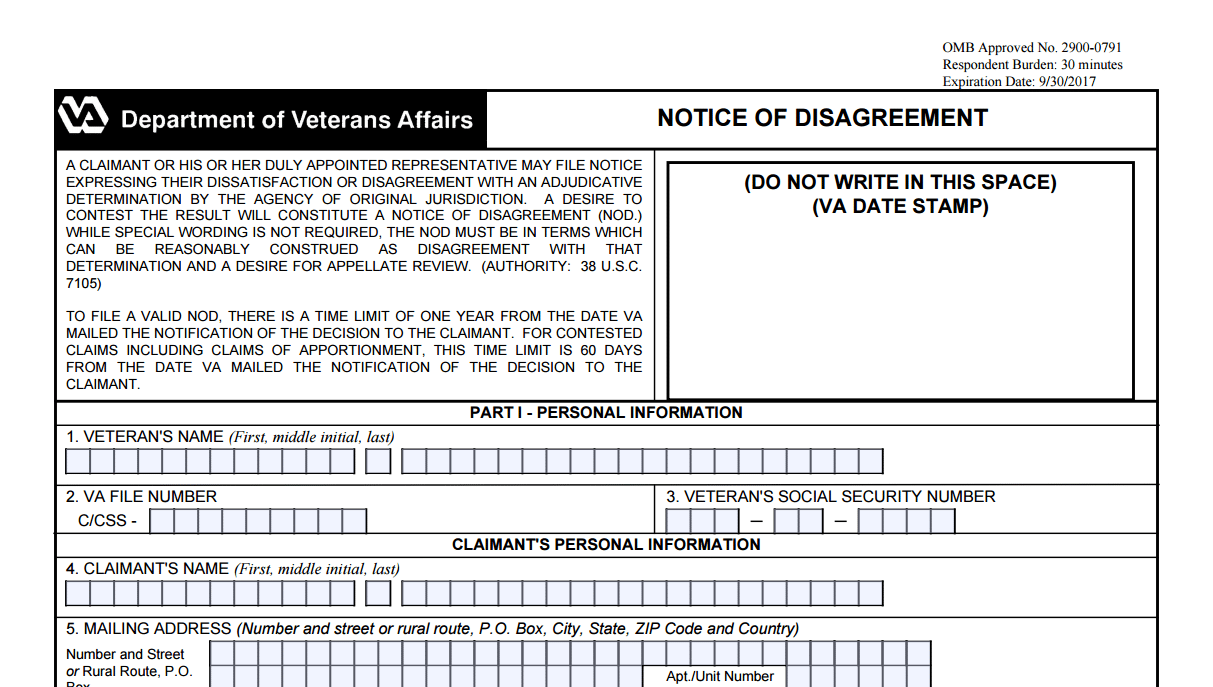

A rating decision is issued by the VA after they have considered the veteran’s claim. Typically, a rating decision tells the veteran if their claim has been granted or denied. The rating decision will also tell the veteran how the VA came to the decision that they reached.
However, sometimes a veteran might receive a rating decision that says “deferred.” A deferred rating decision is issued when the claim is underdeveloped (not enough evidence) or if the claim is incomplete.
Other times, a veteran might receive a decision that says “confirmed and continued.” Confirmed and continued rating decisions are issued when the veteran submits additional evidence and the VA believes this evidence is repetitive, not new and material, or unpersuasive.
What Is a Deferred VA Claim?
A deferred rating is essentially a delay in decision-making due to one of the following reasons:
- The VA is awaiting a medical opinion
- Medical exams or clarifications from an examiner are needed
- Missing medical records or military records
- Something new happens to the veteran that would have an effect on his claim (such as having an operation or getting social security compensation)
Simply put, this deferred rating decision is not really a decision at all. It can also be thought of as a decision to not decide something. Either way you put it, a deferred claim means the veteran will have to wait a little bit longer before the case is actually decided.
VA attorney Rachel Cheek explains deferred VA claims in the video below:
The VA claims process is complicated, but you don’t have to go through it alone. Find the information and guidance you need, for free, in our ebook The Road to VA Compensation Benefits (or its print version).
Get the Free EbookWhen Is a VA Claim Deferred?
A deferred rating decision is issued when the veteran has submitted multiple claims to the VA, but the VA only has sufficient evidence to decide some of these claims. For example, a veteran files a claim for PTSD, hearing loss, and migraines. Then the VA grants the PTSD, denies the hearing loss, and defers the migraines.
This means that the VA had enough evidence to make a decision on the PTSD and hearing loss claims, but they need more evidence or clarification on the migraine claim in order to reach a decision. A deferred rating decision basically means that the claim in question needs more development.
What Does It Mean for You When a VA Claim Is Deferred?
Is a deferred claim good or bad? It’s better than a denial, because it keeps the claim open. But it’s not yet an approval, so you’ll need to wait or act to move it forward.
How Long Does a Deferred VA Claim Take?
There is no set timeline for how long deferred claims take. A deferred issue may take months to resolve, depending on the backlog, the evidence needed, and VA processing times.
If you are required to attend another C&P exam or the VA requests additional records, the delay could be longer. To avoid unnecessary delays, make sure to:
- Respond promptly to VA requests
- Submit complete medical and service records
- Check your VA.gov or eBenefits portal for updates
Do Deferred VA Claims Get Approved?
Yes, many deferred VA claims eventually get approved, especially if the VA receives the missing evidence or exam results they need to make a favorable decision. But approval is not guaranteed. The final outcome depends on:
- The strength of the medical evidence
- A clear service connection
- Compliance with VA requests
Does a Deferred VA Claim Affect Back Pay?
If your deferred claim is eventually approved, the VA will issue back pay starting from the original effective date (usually the date you filed your claim). Even if the decision takes several months, you won’t lose compensation for that time.
What to Do If Your VA Claim Is Deferred
If your VA disability claim was deferred, here’s what you can do:
- Check the letter or rating decision for what exactly is needed
- Attend any scheduled VA medical exams
- Submit supporting documentation or medical records
- Contact your VA representative or Veterans Service Organization (VSO)
- Follow up regularly using your VA.gov account

What Does “Confirmed and Continued” Mean on a VA Claim?
Unlike a deferred rating decision, a rating decision that is confirmed and continued means that the issues making up a veteran’s claim are ready for a decision.
Confirmed and continued decisions are issued after a veteran has received an initial rating decision and has submitted additional evidence to the VA on the claim decided by that initial rating decision.
The VA will confirm and continue its initial rating when it feels that the additional evidence submitted by the veteran does not change what the outcome should be.
Overall, think of a deferred rating decision as meaning a claim needs more evidence, while a confirmed and continued rating decision means a claim needs different evidence.
Learn More About the VA Disability Claims Process
Hill & Ponton offers various resources to veterans and future veterans seeking to understand the VA claims process. Subscribe to the VETS Advantage newsletter for weekly expert tips and advice on winning your rightful benefits.
Written by