
Cannon Air Force Base
Cannon Air Force Base, NM
 Known Toxins
1
 Years of Operation
1909-Present
Base Background
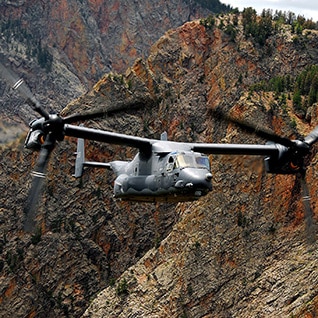
Cannon Air Force Base was established in 1909 as an airport. It became a municipal airport in the 1920’s until the military began using the site in the early 1940’s. The base first hosted the P-51 Mustang and Tactical Air Command in 1951, and it became Cannon Air Force Base several years later. Currently, this site is home to the 27th Special Operations Wing. The unit focuses on airpower operations.
Toxic Exposure at Cannon AFB
The main toxic threat at Cannon AFB involves PFAS (per- and polyfluoroalkyl substances), often referred to as “forever chemicals” because they do not break down naturally in the environment or the human body. Investigations have identified several high-risk areas on the base, including former sewage lagoons, the North Playa Lake, and Landfill No. 5. A chemical plume extends at least 2.5 miles from the base, contaminating private wells used for drinking and irrigation.
As of January 2026, the Air Force invested $74 million to identify and treat ground water containing PFAS at Cannon AFB. It already treated more than 125 million gallons of PFAS impacted water (and is tailoring similar response efforts to local conditions at Holloman Air Force Base in Alamogordo and Kirtland AFB in Albuquerque). In May 2025, the Southeast Playa Groundwater Treatment Facility became fully operational. It was designed to treat up to 2 million gallons of contaminated water daily, removing PFAS before reinjecting the clean water back into the aquifer. A second system near North Playa Lake is scheduled to begin construction in spring 2026.
The contamination at Cannon AFB is notable for its severe impact on local agriculture and public health. A 2024 study by the New Mexico Environment Department (NMED) found that 99.7% of residents tested near the base, in Curry County, had detectable levels of PFAS in their blood. Participants showed levels of certain PFAS compounds, like PFHxS, at concentrations three times higher than the national average.
If you developed health issues related to PFAS after living or working at or near the base, you may be eligible for compensation. Get a free case evaluation here to explore your legal options with the help of Hill & Ponton’s VA-accredited lawyers.
Known Toxins
The following chart outlines the medical conditions associated with toxic exposure at this base, classified by the strength of evidence required (strong, good or limited).* Please keep in mind that it is not a complete list.
| Toxin | Potential Effects & Strength of Evidence Needed | |||
|---|---|---|---|---|
| Strong | Good | Limited | ||
| PFAS (Firefighting Foam) | Potential Effects & Strength of Evidence Needed | - | - | Testicular cancer Renal (kidney) cancer... Prostate cancer |
*Effects are according to the Center for Disease Control and Prevention’s Agency for Toxic Substances & Disease Registry unless otherwise noted.
Cannon Air Force Base VA Claims and Lawsuits
Veterans who were stationed here and are affected by health conditions caused or worsened by PFAS exposure during their military service could be eligible for disability benefits. If you believe you qualify, you should:
- Document the time spent at Cannon AFB using service records and other documentation
- Gather comprehensive medical evidence
- Get expert medical opinions to establish a link between the diagnosed medical conditions and PFAS contamination at the base
- File VA disability claims or a lawsuit
The VA often denies initial claims, but an experienced VA disability lawyer can handle the appeal on your behalf or challenge a low rating to maximize your compensation.