
Naval Air Station Oceana
Virginia Beach, VA
 Known Toxins
1
 Years of Operation
1943-Present
Base Background
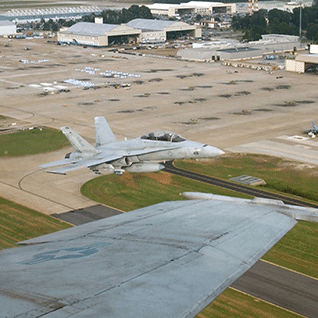
Naval Air Station Oceana was built in 1943 and expanded over the following decades. Today, the site is the Navy’s East Coast Master Jet Base. It’s home to 19 fighter squadrons and about 250 advanced aircrafts, including the F/A-18 Hornet and Super Hornet. There are over 10 thousand active Navy members on the base, as well as thousands of family members and civilian employees.
Known Toxins
The following chart outlines the medical conditions associated with toxic exposure at this base, classified by the strength of evidence required (strong, good or limited).* Please keep in mind that it is not a complete list.
| Toxin | Potential Effects & Strength of Evidence Needed | |||
|---|---|---|---|---|
| Strong | Good | Limited | ||
| PFAS (Firefighting Foam) | Potential Effects & Strength of Evidence Needed | - | - | Testicular cancer Renal (kidney) cancer... Prostate cancer |
If you were stationed at Naval Air Station Oceana and later experienced adverse health effects, you may be eligible for compensation.
*Effects are according to the Center for Disease Control and Prevention’s Agency for Toxic Substances & Disease Registry unless otherwise noted.