
Naval Station Vieques and Camp Garcia
Vieques
 Known Toxins
15
 Years of Operation
1941-2003
Base Background
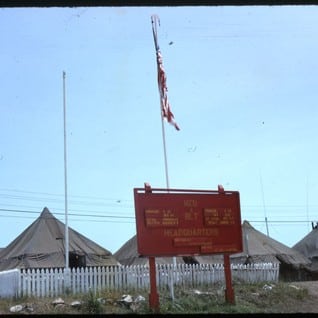
The Navy began acquiring land on Vieques, an island off Puerto Rico’s east coast, in 1941, eventually controlling roughly two-thirds of the island under two commands: the Naval Ammunition Support Detachment on the western end, used for ammunition storage and support facilities, and the Vieques Naval Training Range on the eastern end, which included the Atlantic Fleet Weapons Training Facility and the Marine Corps and Navy personnel camp known as Camp García.
For six decades the range served as the Atlantic Fleet’s principal live-fire training ground for naval gunfire support, air-to-ground bombing, and Marine amphibious landings, and it hosted NATO training exercises as well. Following sustained public protests after a 1999 bombing accident killed a civilian security guard, the Navy ended live-fire training in 2001 and all training activity on Vieques in 2003.
Toxic Exposure at the Vieques Base
Sailors, Marines, and civilian support workers who trained or worked at Camp García, the Live Impact Area, or the former Naval Ammunition Support Detachment between 1941 and 2003 encountered a range of documented contamination that the Navy, EPA, and the Agency for Toxic Substances and Disease Registry have investigated since operations ended.
The heaviest metal contamination sits in soil at the roughly 900-acre Live Impact Area, the range’s bombing target zone, while petroleum, solvent, and perchlorate contamination turned up separately at fuel, maintenance, and munitions-disposal sites closer to Camp García and the former ammunition depot. On February 19, 1999, Marine Corps aircraft mistakenly fired 263 rounds of ammunition armed with depleted uranium penetrators onto the Live Impact Area during a training exercise. The Navy recovered 116 of the rounds by August 2002, and a Nuclear Regulatory Commission inspection concluded the depleted uranium had not spread beyond the Live Impact Area.
Some veterans have also claimed exposure to Agent Orange at Vieques, but VA decisions have cited DoD research finding no evidence that herbicide was tested or stored on the island. Learn more about proving Agent Orange exposure in Puerto Rico.
Heavy Metals Contamination
Soil sampling on the Live Impact Area, evaluated by ATSDR in a 2003 public health assessment, found seven metals at concentrations above ATSDR’s health-based comparison values: arsenic (as high as 36 parts per million), cadmium (as high as 31.3 ppm), chromium (as high as 700 ppm), iron (as high as 150,000 ppm), manganese (as high as 5,000 ppm), vanadium (as high as 500 ppm), and lead. Mercury was also detected and evaluated further even without a formal comparison value. ATSDR attributed the elevated levels to six decades of Navy training activity, since rockets, projectiles, bombs, and pyrotechnic devices fired on the range all contain these metals in their components.
Munitions Constituents (TNT and RDX)
A 2022 peer-reviewed study of Bahía Salina del Sur, the bay immediately adjacent to the Live Impact Area, sampled in January and February 2016, found low-level munitions residue in the water column: RDX at roughly a third of the general sampling locations (4 to 12 nanograms per liter) and TNT at one location (10 ng/L). Concentrations were far higher next to a specific breached, unexploded 1,000-pound bomb, where TNT reached 4.5 to 7.5 micrograms per liter along with its breakdown products 2-amino-4,6-dinitrotoluene, 4-amino-2,6-dinitrotoluene, and 2,4-dinitrotoluene. Separately, Navy and ATSDR soil sampling conducted along the range’s western boundary in 1978 and 1999 did not positively identify explosive compounds in soil.
Perchlorate
Perchlorate, a component of rocket motors and pyrotechnic flares, contaminated groundwater beneath SWMU 4, a former open burn and open detonation area at the western end of the ammunition depot used to destroy surplus munitions, fuels, and propellants from 1969 to 1979 and possibly as far back as the late 1940s.
PFAS Contamination
Beginning in 2020, the Navy identified thirteen areas of interest across both the former ammunition depot and the former training range where aqueous film-forming foam or other PFAS-containing materials may have been used, including former fire stations, motor pool areas, and the runway near Camp García. A site inspection completed in December 2023 recommended eight of those areas, including the Camp García runway and a former fire station and motor pool area, for a follow-up remedial investigation to determine whether PFAS has reached groundwater. Find out more about AFFF contamination and VA benefits.
Volatile Organic Compounds (VOCs)
A 550-gallon underground storage tank used from 1970 to 1996 at the former ammunition depot’s Public Works Area leaked, contaminating groundwater with benzene, xylene, naphthalene, 2-methylnaphthalene, 1,2-dichloroethane, and the gasoline additive MTBE; the Navy has treated the plume with in-situ chemical oxidation since 2015, and groundwater monitoring continues. Separately, at a former helicopter maintenance and fuel-bladder storage site near Camp García, the Navy found trichloroethylene (TCE) in groundwater above the federal Safe Drinking Water Act Maximum Contaminant Level.
Getting Compensation
Those who trained, served, or worked at Camp García, the Live Impact Area, or the former ammunition depot could have come into contact with these documented substances, and the health effects of the exposure often don’t surface for years or decades. The chart below breaks down the conditions these substances are known to cause.
A veteran who served at the Vieques military base (or their surviving family) can still pursue compensation for a related diagnosis today: Hill & Ponton’s VA-accredited lawyers take these cases on a contingency basis, charging nothing until they win. Start with a free case evaluation to explore your options.
Known Toxins
The following chart outlines the medical conditions associated with toxic exposure at the Vieques military base, classified by the strength of evidence required (strong, good or limited).* Please keep in mind that it is not a complete list.
| Toxin | Potential Effects & Strength of Evidence Needed | |||
|---|---|---|---|---|
| Strong | Good | Limited | ||
| Arsenic | Potential Effects & Strength of Evidence Needed | Peripheral neuropathy Hyperkeratosis/Hyperpigmentation... Diabetes Type II Coronary artery disease, peripheral vascular disease, atherosclerosis |
Steatosis (fatty liver) Skeletal malformations... Renal (kidney) cancer Raynaud's phenomenon Pneumonitis hypersensitivity Neural tube defects/CNS malformations Nasal septal perforation Myocardial ischemia Low birth weight/Small for Gestational Age Hypertension Hepatoportal Sclerosis Fetotoxicity (Miscarriage/spontaneous abortion; stillbirth) Congenital malformations general Cirrhosis Cardiomyopathy Bladder cancer Arrhythmias Anemia hemolytic Alopecia Adult-Onset Leukemias |
Neurosthenia (Organic affective syndrome) Myelodysplastic syndrome... Metal fume fever Immune suppression Hepatocellular cancer (Liver cancer) Genitourinary malformations (includes cryptorchidism, hypospadias) Cognitive impairment (includes impaired learning, impaired memory, and decreased attention span) Acute tubular necrosis |
| Benzene | Potential Effects & Strength of Evidence Needed | Myelodysplastic syndrome Multiple myeloma... Aplastic anemia |
Scleroderma Renal (kidney) cancer... Preterm delivery Menstrual disorders Lymphoma non Hodgkin's Autoimmune antibodies, positive ANA Arrhythmias |
Peripheral neuropathy Neural tube defects/CNS malformations... Nasopharyngeal/SinoNasal cancer Lung cancer Immune suppression Hepatocellular cancer (Liver cancer) Cardiac congenital malformations Breast cancer Brain cancer adult Asthma irritant |
| Cadmium | Potential Effects & Strength of Evidence Needed | Renal stones Osteoporosis... Itaiitai disease Chronic renal disease Acute tubular necrosis |
Reduced Fertility Male (infertility and subfertility) Prostate cancer... Pneumonia Nephrotic syndrome COPD chronic obstructive pulmonary disease Cardiomyopathy Anemia hemolytic |
Testicular cancer Soft tissue sarcoma... Renal (kidney) cancer Pulmonary fibrosis Pulmonary edema Peripheral neuropathy Pancreatic cancer Oral clefts (cleft lip and palate) Neural tube defects/CNS malformations Metal fume fever Menstrual disorders Immune suppression Hypoactivity Hypertension Genitourinary malformations (includes cryptorchidism, hypospadias) Decreased I.Q../Mental retardation Congenital malformation Cranio Facial Cognitive impairment (includes impaired learning, impaired memory, and decreased attention span) Brain cancer adult Autoimmune antibodies, positive ANA Arrhythmias ADD/ADHD, hyperactivity Abnormal sperm (morphology, motility, and sperm count) |
| Chromium | Potential Effects & Strength of Evidence Needed | Skin ulceration Parkinson's disease/Movement disorders... Nasopharyngeal/SinoNasal cancer Nasal septal perforation Nasal polyps Cholestasis Bronchitis acute Asthma allergic |
Stomach cancer Pulmonary fibrosis... Psychiatric disturbances Pneumonitis hypersensitivity Pneumonia Photosensitivity Peripheral neuropathy Decreased Coordination/ Dysequilibrium COPD chronic obstructive pulmonary disease Chronic renal disease Bronchitis acute Brain cancer adult ADD/ADHD, hyperactivity Acute tubular necrosis |
Soft tissue sarcoma Skeletal malformations... Renal (kidney) cancer Reduced Fertility Male (infertility and subfertility) Prostate cancer Peripheral neuropathy Pancreatic cancer Neurosthenia (Organic affective syndrome) Neural tube defects/CNS malformations Metal fume fever Immune suppression Fetotoxicity (Miscarriage/spontaneous abortion; stillbirth) Esophageal cancer Erectile dysfunction Delayed growth COPD chronic obstructive pulmonary disease Cognitive impairment (includes impaired learning, impaired memory, and decreased attention span) Bladder cancer Autoimmune antibodies, positive ANA Arrhythmias Adult-Onset Leukemias Abnormal sperm (morphology, motility, and sperm count) |
| Iron | Potential Effects & Strength of Evidence Needed | Bronchitis chronic |
- | Soft tissue sarcoma Diabetes Type II... Brain cancer adult Alzheimer's |
| Lead | Potential Effects & Strength of Evidence Needed | Seizures Reduced Fertility Male (infertility and subfertility)... Peripheral neuropathy Hypertension Gout Developmental Delay Decreased I.Q../Mental retardation Decreased Coordination/ Dysequilibrium Coronary artery disease, peripheral vascular disease, atherosclerosis Cognitive impairment (includes impaired learning, impaired memory, and decreased attention span) Chronic renal disease Behavioral problems Anemia hemolytic ADD/ADHD, hyperactivity Abnormal sperm (morphology, motility, and sperm count) |
Reduced Fertility Female (infertility and subfertility) Psychiatric disturbances... Preterm delivery Porphyria toxic Pancreatic cancer Nephrotic syndrome Low birth weight/Small for Gestational Age Immune suppression Hearing loss Glomerulonephritis Fetotoxicity (Miscarriage/spontaneous abortion; stillbirth) Delayed growth Cardiomyopathy Arrhythmias Altered time to sexual maturation (accelerated or delayed puberty) |
Wilm's Tumor Uterine cancer... Thyroid disorders Hypothyroidism Stomach cancer Reduced Fertility Male (infertility and subfertility) Osteoporosis Neurosthenia (Organic affective syndrome) Lung cancer Hepatocellular cancer (Liver cancer) Erectile dysfunction Diabetes Type II Congenital malformation Cranio Facial Colorectal cancer Carcinoid Breast cancer Brain cancer adult Bladder cancer Alzheimer's Altered time to sexual maturation (accelerated or delayed puberty) ALS (Lou Gehrig's disease) Abnormal sperm (morphology, motility, and sperm count) |
| Manganese | Potential Effects & Strength of Evidence Needed | Parkinson's disease/Movement disorders Cholestasis |
Psychiatric disturbances Pneumonitis hypersensitivity... Pneumonia Peripheral neuropathy Decreased Coordination/ Dysequilibrium Bronchitis acute ADD/ADHD, hyperactivity |
Skeletal malformations Reduced Fertility Male (infertility and subfertility)... Peripheral neuropathy Neurosthenia (Organic affective syndrome) Neural tube defects/CNS malformations Metal fume fever Fetotoxicity (Miscarriage/spontaneous abortion; stillbirth) Erectile dysfunction Delayed growth COPD chronic obstructive pulmonary disease Cognitive impairment (includes impaired learning, impaired memory, and decreased attention span) Arrhythmias |
| Mercury | Potential Effects & Strength of Evidence Needed | Peripheral neuropathy Hearing loss... Behavioral problems Acute tubular necrosis |
Low birth weight/Small for Gestational Age Immune suppression... Hormonal changes (levels of circulating sex hormones FSH/LH, Inhibin, and/or estrogens, progesterones, and androgens) Glomerulonephritis Fetotoxicity (Miscarriage/spontaneous abortion; stillbirth) Congenital malformations general Chronic renal disease Autoimmune antibodies, positive ANA Aplastic anemia Anemia hemolytic |
Thyroid disorders Hypothyroidism Scleroderma... Reduced Fertility Female (infertility and subfertility) Reduced Fertility Male (infertility and subfertility) Neurosthenia (Organic affective syndrome) Nephrotic syndrome Myocardial ischemia Menstrual disorders Coronary artery disease, peripheral vascular disease, atherosclerosis |
| Naphthalene | Potential Effects & Strength of Evidence Needed | Methemoglobinemia |
Cataracts Anemia hemolytic |
- |
| PFAS (Firefighting Foam) | Potential Effects & Strength of Evidence Needed | - | - | Testicular cancer Renal (kidney) cancer... Prostate cancer |
| Trichloroethylene (TCE) | Potential Effects & Strength of Evidence Needed | Acute hepatocellular injury (Hepatitis) |
Scleroderma Renal (kidney) cancer... Psychiatric disturbances Lymphoma non Hodgkin's Hepatocellular cancer (Liver cancer) Fetotoxicity (Miscarriage/spontaneous abortion; stillbirth) Decreased Coordination/ Dysequilibrium Cirrhosis Childhood Leukemias Cardiac congenital malformations Autoimmune antibodies, positive ANA Arrhythmias |
Trigeminal neuropathy Testicular cancer... Systemic Lupus Erythematosus Raynaud's phenomenon Prostate cancer Peripheral neuropathy Pancreatitis Pancreatic cancer Oral clefts (cleft lip and palate) Neural tube defects/CNS malformations Nephrotic syndrome Multiple myeloma Lung cancer Low birth weight/Small for Gestational Age Immune suppression Hodgkin's Disease (lymphoma) Genitourinary malformations (includes cryptorchidism, hypospadias) Cognitive impairment (includes impaired learning, impaired memory, and decreased attention span) Choanal atresia Cervical cancer Brain cancer adult Adult-Onset Leukemias ADD/ADHD, hyperactivity Acute tubular necrosis |
| Trinitrotoluene (TNT) | Potential Effects & Strength of Evidence Needed | Cirrhosis Acute hepatocellular injury (Hepatitis) |
Steatosis (fatty liver) Methemoglobinemia... Coronary artery disease, peripheral vascular disease, atherosclerosis Aplastic anemia |
Menstrual disorders Erectile dysfunction... Abnormal sperm (morphology, motility, and sperm count) |
| Vanadium | Potential Effects & Strength of Evidence Needed | COPD chronic obstructive pulmonary disease Bronchitis chronic... Asthma allergic |
Acute tubular necrosis |
Reduced Fertility Female (infertility and subfertility) Pneumonia... Fetotoxicity (Miscarriage/spontaneous abortion; stillbirth) Bronchitis acute |
| Volatile organic compounds (VOCs) | Potential Effects & Strength of Evidence Needed | Rhinitis irritant |
- | - |
| Xylene | Potential Effects & Strength of Evidence Needed | - | Scleroderma Menstrual disorders... Arrhythmias |
Stomach cancer Peripheral neuropathy... Delayed growth Colorectal cancer Brain cancer adult Acute hepatocellular injury (Hepatitis) |
*Effects are according to the Center for Disease Control and Prevention’s Agency for Toxic Substances & Disease Registry unless otherwise noted.
If you served on Vieques and were later diagnosed with a condition associated with toxic exposure, you could be entitled to VA disability. This requires showing you were there through service records, backing the diagnosis with solid medical evidence, and getting a doctor’s opinion that links the two.
Our VA-accredited lawyers have helped Puerto Rico veterans and their survivors take this step before, and can help you win disabled veterans benefits too. Contact us today for a free case evaluation.