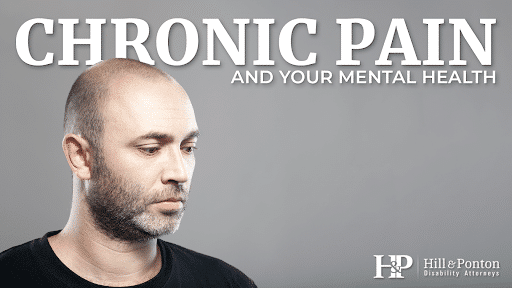

While we often think of the physical injuries and illnesses that can result from military service, service members can also experience a number of mental health challenges as a result of their disability or medical condition. One common link the United States Department of Veterans Affairs often recognizes is that between depression and chronic pain.
This means that if you are a veteran experiencing both conditions, you may be eligible for VA disability compensation. This guide will explain the connection between chronic pain and mental health, how the VA rates depression secondary to chronic pain, and what steps you can take to file a successful VA claim.
The Connection Between Chronic Pain Syndrome and Depressive Disorder
Chronic pain is defined as pain that lasts longer than six months. It is not just a physical condition; it can significantly impact mental health. According to the National Institutes of Health (NIH), veterans who experience it are at a higher risk of developing depression due to the ongoing stress and limitations caused by their pain.
Chronic pain can alter the brain’s chemistry and functioning, often resulting in mental health conditions that require professional treatment. Among the list of complications that chronic pain sufferers can endure are depression and related issues such as:
- Insomnia or lack of sleep: Chronic pain causes sleep difficulties for some veterans. When experiencing insomnia, you have difficulty falling asleep or staying asleep. You may also wake up tired or fatigued and have poor concentration or focus throughout your day.
- Suicidal ideation: You may have thoughts of harming yourself. These thoughts can range from considering the act to actually developing a detailed plan. You may find yourself having fleeting or floating thoughts, considering what type of medication in your medicine cabinet could harm you, or causing or inflicting pain upon yourself.
- Memory and/or cognitive issues: These issues are usually noticed when you begin having trouble remembering, making decisions, or misplacing objects. You may notice that you are unable to recall names of close friends or relatives, numbers, places, or where you have placed things. These memory challenges can interfere with daily activities.
- Anger and Irritability: You may experience outbursts that often seem unprovoked or unwarranted. You may also become easily frustrated.
- Isolation or social withdrawal: You may feel the need to separate yourself from others. You may seek solitude or avoid friends/family and activities you once enjoyed.
- Problems maintaining relationships: You may create conflicts or excuses to avoid family functions or friendly outings. You may experience difficulty communicating with your friends and family how you feel or feel as though you are a burden.
- Feelings of hopelessness, worthlessness, and helplessness: You may feel a lack of hope or as if there is no future for you. You may feel as if you have nothing to offer to anyone and that you don’t contribute to society. You may feel powerless about your situation.
- Abusing substances: You may begin abusing alcohol or drugs.
- Anxiety and/or anxiety attacks: You may feel worried and nervous about different situations. This can often cause anxiety attacks to occur.
Getting a VA Rating for Depression Secondary to Chronic Pain
When filing a claim for depressive disorder due to chronic pain syndrome, it’s important to understand how the VA rates these two conditions. Ratings can range from 0% to 100%, and VA considers several factors. They include the veteran’s ability to maintain personal relationships and the veteran’s ability to perform daily activities. The VA claims process for getting a depression rating will involve several steps:
- Gather Medical Evidence: Documentation from healthcare providers that links depression to chronic pain is a critical part of the claims process. These include medical records, treatment history and statements from medical professionals.
- Submit a Fully Developed Claim (FDC): An FDC allows veterans to submit all necessary evidence upfront, speeding up the claim process.
- VA Examination: The VA may require a Compensation and Pension (C&P) exam to assess the extent of the depression and its connection to chronic pain.
VA Attorney Tips
Learn from a VA attorney how to establish a connection between chronic pain and mental disorders and how to have the VA recognize and compensate your disability:
VA attorney Matthew Hill has written THE book on how to prepare (and win!) your VA claim. Download The Road to VA Compensation Benefits for free as an ebook or receive the printed version.
Get the free bookHow to Get Additional Compensation
Beyond your initial claim, it is important to consider how your mental health condition has impacted your life at home and work. While your physical condition may interfere with your ability to maintain employment, depression comes with its own limitations:
- Decreased concentration
- Feeling overwhelmed and unable to handle tasks or deadlines
- Difficulty interacting with customers or co-workers
- Emotional exhaustion and lack of motivation
- Difficulty accepting feedback or criticism
In addition to a diagnosis of depression and medical evidence documenting these issues, an independent medical opinion by a private doctor specifying the limitations you encounter on a daily basis can help build your case and support your claim for VA disability and potentially VA unemployability.
For example, a veteran with a back condition has suffered for years from chronic pain. As a result, he has developed severe depression and anxiety. Now, he struggles at work due to his ever-growing task list and finds himself unable to not only handle the pressure but concentrate on completing the tasks.
On top of that, he’s required to interact with clients and the mere thought alone leaves him feeling nervous and sends his heart racing. He has to take multiple breaks throughout the day to gather his thoughts and catch his breath. This makes him potentially eligible for VA unemployability.

How Hill & Ponton Won a Veteran’s Claim for Depression Secondary to Chronic Pain
In a February 2016 decision (Citation Nr: 1603027), the Board of Veterans’ Appeals granted a veteran service connection for major depressive disorder after finding that his depression was caused by the chronic pain and functional limitations from his service-connected low back strain and bilateral flatfoot.
The veteran, who served on active duty from 1978 to 1985, had long suffered from constant back and foot pain that affected his mobility, sleep, and ability to work. Represented by attorney Matthew Hill, he argued that the unrelenting physical pain had taken a serious psychological toll, leading to major depressive disorder.
The Board reviewed extensive medical and lay evidence, including conflicting VA mental health examinations and a private psychological evaluation conducted by Dr. J. Baxendale, Ph.D., in January 2015.
While VA examiners in 2013 and 2015 concluded that the veteran had no diagnosable mental disorder, Dr. Baxendale provided a thorough, well-supported medical opinion linking the veteran’s depression directly to his chronic pain from his back and foot disabilities.
The psychologist explained that symptoms such as low energy, poor sleep, anxiety, and low self-esteem were typical psychological reactions among those living with severe and chronic pain. The opinion also cited established medical research showing a clear correlation between persistent pain and depression.
Weighing the evidence, the Board found Dr. Baxendale’s opinion more persuasive and credible than the VA examinations because it was based on a detailed review of the veteran’s medical history, lay statements, and current symptomatology.
Applying the benefit of the doubt doctrine, the Board ruled in the veteran’s favor and granted service connection for major depressive disorder secondary to the veteran’s low back and bilateral foot disabilities.
Get Help with Your VA Claim
If the VA has denied your veterans’ claim for depression secondary to chronic pain, get in touch with Hill & Ponton for a free evaluation of your case. Our disability law firm is committed to helping veterans obtain the maximum VA disability compensation they’re entitled to.
We can ensure that you are presenting the right medical records for your case and guide you through the appeals process to obtain the veterans benefits you deserve. Contact us today to get started.
Did the VA Deny Your Disability Claim?
Let our team review your case today!
Get a Free Case EvaluationContent Reviewed by
Attorney Stacey Clark

Attorney Stacey Clark is a native Floridian and has represented veterans before the VA, BVA, CAVC, and other federal courts with over 10 years of hands-on experience. She is the only attorney practicing veterans law who has been recognized as a Florida Rising Star by Florida Super Lawyer Magazine; an award that only 2.5% of Florida attorneys have received.
Written by