
This Article covers:
Click a title to scroll down to that section
Chronic Obstructive Pulmonary Disease (COPD) is a serious respiratory condition that affects breathing by blocking airflow in the lungs. Many Vietnam veterans who develop COPD later in life ask whether Agent Orange exposure may be responsible for their illness and whether the VA will compensate them for it. Here’s what veterans need to know about how COPD and Agent Orange are viewed under VA law and how to seek compensation.
Is COPD an Agent Orange Presumptive?
COPD is not currently on the VA’s list of diseases that are presumptively connected to Agent Orange exposure, as established by the PACT Act or other laws and regulations.
This means that simply serving in Vietnam and developing COPD does not automatically qualify a veteran for service-connected benefits based on Agent Orange exposure. The burden of proof is on the veteran to show that his or her COPD is service-related.

If you were previously denied for a COPD claim and new medical evidence is now available, or if the VA failed to obtain a proper medical opinion, you could be entitled to a reevaluation of your claim. Our Agent Orange lawyers may be able to assist you with your appeal.
Can Agent Orange Cause COPD?
In 2012, Secretary of the Department of Veterans Affairs and retired General Eric Shinseki commissioned the Vietnam-Era Veterans Health Study, directing the Army Chemical Corps to investigate whether COPD and high blood pressure are related to Agent Orange exposure or to service in Vietnam more generally.
Researchers found that Vietnam veterans have a higher likelihood of reporting COPD than the general population. The VA itself admitted as much in its own Patient Guide to COPD Management. The Army Chemical Corps Vietnam-Era Veterans Health Study (Cypel, et al.) found that veterans who were exposed to Agent Orange were more likely to have received a COPD diagnosis from their physicians. However, when researchers employed spirometry to test veterans’ airflow coming out of the lungs, they could not identify a strong correlation.
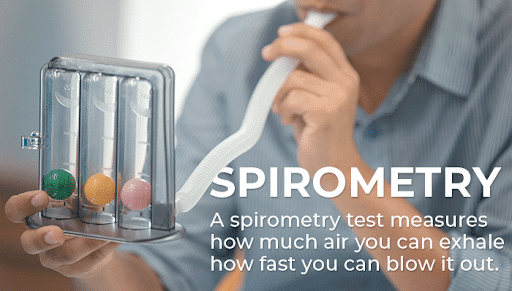
The difference could be due to physicians relying on veterans’ descriptions of their own symptoms rather than employing spirometry or other objective measurements. Between 10% and 30% of veterans who did not have a formal COPD diagnosis were found to have it upon being tested for it by VA physicians.
Scientists are still trying to determine whether Agent Orange and COPD are related due to the disease’s development later in life.
How Can Veterans Exposed to Agent Orange Receive Compensation for COPD?
Veterans can still pursue disability compensation for COPD on a case-by-case basis through direct service connection. If a veteran can demonstrate that their COPD was caused by Agent Orange exposure, they may qualify for VA benefits. To establish direct service connection, the veteran must provide:
- A current medical diagnosis of COPD
- Proof of in-service exposure to Agent Orange (which may be presumed under certain conditions)
- A medical nexus opinion from a qualified expert stating that it is at least as likely as not (a 50% or greater probability) that the COPD was caused by Agent Orange
A persuasive nexus opinion should analyze:
- A current medical diagnosis of COPD
- Proof of in-service exposure to Agent Orange (which may be presumed under certain conditions)
- Scientific studies showing a link between dioxin and lung conditions
- The time between exposure and onset of COPD
- Other risk factors, including family history and smoking
The VA must weigh all the evidence and cannot reject a medical opinion solely because COPD is not on the presumptive list.
Get the Help You Need with Your Agent Orange Claim
The VA often denies or underrates veterans. This is especially true with complicated medical conditions such as COPD, where VA officials may deny that your condition is service-connected.
If you believe you were wrongly denied a VA disability rating for COPD related to your Agent Orange exposure, contact us for a free, no obligation review of your case. We may be able to help you appeal your claim and win the compensation you deserve.
Written By

Anne Linscott
Attorney, Hill & Ponton, P.A.
Anne Linscott is an attorney at Hill & Ponton, P.A., dedicated to helping veterans secure the disability benefits they deserve. With a strong background in finance and law, Anne brings compassionate advocacy and a deep commitment to supporting those who have served.