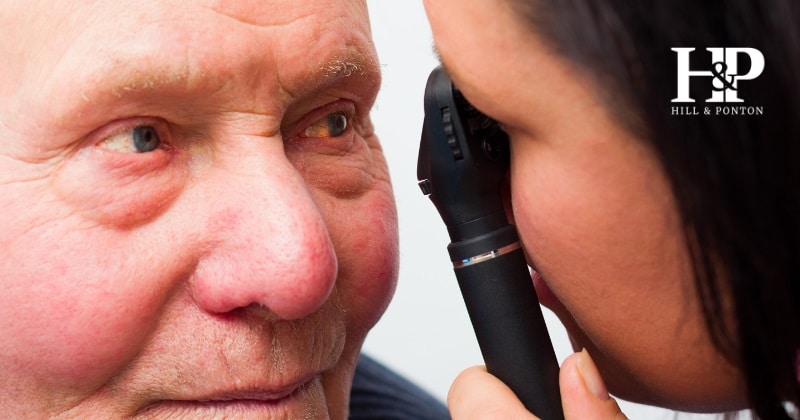

Dry Eye Syndrome (DES) is a prevalent condition among veterans receiving eye care services. Rated at 10%, 20%, 40% or 60%, it is commonly associated with depression and post-traumatic stress disorder (PTSD). The connection may stem from the underlying disease physiology or the medications used to treat psychiatric conditions.
Research suggests that dry eye syndrome is also linked to chronic pain conditions, making it a complex and often overlooked disability.
How the VA Rates Dry Eyes
The VA can rate dry eye syndrome under diagnostic code DC 6025 (10% for each eye) or the general rating formula for diseases of the eye, which allows ratings from 10% to 60%, depending on how much the condition affects a veteran’s vision and daily life and the frequency of required treatment.
Is There a Bilateral Dry Eye Syndrome VA Rating?
Veterans with bilateral dry eye syndrome (both eyes affected) can be assigned a 20% rating for bilateral tear production disorder under Diagnostic Code 6025 for Disorders of the Lacrimal Apparatus (epiphora, dacryocystitis, etc). A single eye (unilateral tear production disorder) is assigned a 10% rating.
Dry Eye Syndrome May Also Be Evaluated According to the Rating Chart for Eye Conditions
| VA Rating | Treatment visits in the past 12 months for documented incapacitating episodes requiring treatment for an eye condition |
|---|---|
| 60% | 7 or more visits |
| 40% | At least 5 but fewer than 7 visits |
| 20% | At least 3 but fewer than 5 visits |
| 10% | At least 1 but fewer than 3 visits |
For the purposes of evaluation under 38 CFR 4.79, an incapacitating episode is an eye condition severe enough to require a clinic visit to a provider specifically for treatment purposes.
How to Win Your VA Claim
Having trouble with VA’s complicated procedures? We can help!
Get our FREE book The Road to VA Compensation Benefits.
Service Connecting Dry Eye Syndrome
To establish direct service connection and obtain a VA disability rating for dry eyes, veterans must provide:
- A current diagnosis from a medical professional.
- Evidence of service connection, such as medical records or documentation showing symptoms began during or after service.
- A nexus letter from a medical provider linking the condition to service.
Service connection for dry eye syndrome may be granted if the condition was directly caused by or worsened during military service, but also if it develops secondary to an existing service-connected condition.
Exception: Conditions resulting from elective procedures, such as LASIK or other laser eye surgeries, do not qualify for service connection unless there are unusual complications or an additional disability directly linked to the procedure.
Since dry eye syndrome is a common side effect of laser eye surgery, it does not qualify if it is solely attributed to an elective procedure.
Is Dry Eye Syndrome a Presumptive Condition?
Dry eye syndrome is not a presumptive condition under VA regulations. However, veterans can still receive benefits by establishing direct or secondary service connections. If dry eye syndrome resulted from medications, mental health conditions, or other service-connected disabilities, it may qualify for compensation.
Dry Eye Syndrome as a Secondary Condition
For secondary service connection, veterans must demonstrate that dry eye syndrome was caused or aggravated by another service-connected condition, such as PTSD, TBI, or autoimmune diseases.
Dry eye syndrome can be secondary to many conditions, including:
- PTSD and Depression: Medications used to treat these conditions can reduce tear production.
- Traumatic Brain Injury (TBI): TBI can cause neurological issues that affect the eyes.
- Autoimmune Disorders: Conditions like Sjogren’s syndrome, lupus, and rheumatoid arthritis are linked to DES.
- Other Eye Conditions: Cataract surgery, glaucoma treatment, and corneal damage can lead to dry eye.
Case Example
In VA case 22014896, a veteran successfully obtained a service connection for dry eye syndrome from the Board of Veterans Appeals by proving that:
- The veteran had a long history of hyperthyroidism treatment and received a service-connected rating for it.
- Medical literature supports an association between hyperthyroidism and dry eye syndrome.
- Medical reports and doctors’ statements provided a clear link between hyperthyroidism and the onset of dry eye syndrome.
Did VA Deny Your Disability Claim?
Let our team review your case today!
START your free evaluation todayOptions for Denied and Underrated Veterans
If you believe your rating is too low or your claim has been denied, you have several appeal options:
- Supplemental Claim – Submit new and relevant evidence to prompt the VA to re-evaluate your case.
- Higher-Level Review – Request a senior reviewer to reassess your claim without submitting new evidence.
- Board of Veterans’ Appeals – Appeal directly to the Board for complex cases, with opportunities to provide additional evidence or request a hearing.
Winning a VA disability claim can be difficult, especially if your case involves complexities or requires an appeal. Working with a VA-accredited attorney can be invaluable when seeking a rating increase, applying for Total Disability based on Individual Unemployability (TDIU), or disputing a denied claim.
How We Can Assist
For over three decades, Hill & Ponton has been dedicated to helping disabled veterans nationwide secure the benefits they rightfully deserve. If your claim has been denied or you need a rating increase, reach out to us for a free case evaluation and learn how our experienced team may be able to help.
START your free evaluation todayContent Reviewed by
Attorney Melanie Williams

Attorney Melanie Williams, a dedicated advocate for underprivileged populations, brings her passion for justice and extensive legal experience to Hill & Ponton, where she focuses on veterans’ disability law.
Written by