
When filing a VA disability claim, providing strong evidence is key to securing the benefits you deserve. While medical evidence often takes center stage, it may not always be enough. Lay evidence can fill in the missing pieces of the puzzle. A statement from a friend, family member, or someone you served with can be very effective when trying to establish service-connection or an increased evaluation for a service-connected condition.
What Is Lay Evidence?
Lay evidence refers to observations or statements provided by individuals without specialized training or expertise. It includes facts and circumstances that can be observed and described by anyone, without the need for expert validation.
In VA claims, lay evidence can take several forms, from personal observations to buddy statements. This type of evidence is especially useful when medical records are incomplete or unavailable. For example, if a veteran experienced a sexual assault or personal assault in service, and a friend or family member was either aware or witnessed it, they could write a statement describing what they know or saw if there are no records to corroborate the assault.
When Do I Need Lay Evidence?
Lay evidence should be submitted whenever it strengthens your claim, particularly if:
- Medical records are incomplete.
- Witness testimony can corroborate your account.
- Symptoms are easily observable by others.
The VA will assess the credibility and adequacy of your lay evidence, weighing it against other evidence in your file. If you’re unsure whether to include lay evidence, consult a qualified representative for guidance.
Even if you only have lay evidence, you still have a strong chance of success. Missing medical records or other documentation may be uncovered during the claims process, strengthening your case. Keep searching for evidence, ask questions, and seek support.
Lay Statements
Lay statements (or buddy statements) are firsthand accounts from individuals — often fellow service members, family, or coworkers — who witnessed the events or symptoms related to your disability. Here are some ways these statements can help:
- Describe Service-Related Incidents: Provide a clear account of events during military service that led to an injury or illness.
- Illustrate Daily Impact: Offer detailed examples of how your condition affects your daily activities, work performance, and personal relationships.
- Support Medical Evidence: Reinforce or validate medical opinions by corroborating symptoms or the severity of your condition.
For example, a fellow service member might describe how an injury occurred during a deployment, while a family member could detail the challenges you face in completing everyday tasks. These personal accounts add depth and credibility to your claim that medical records alone cannot achieve.
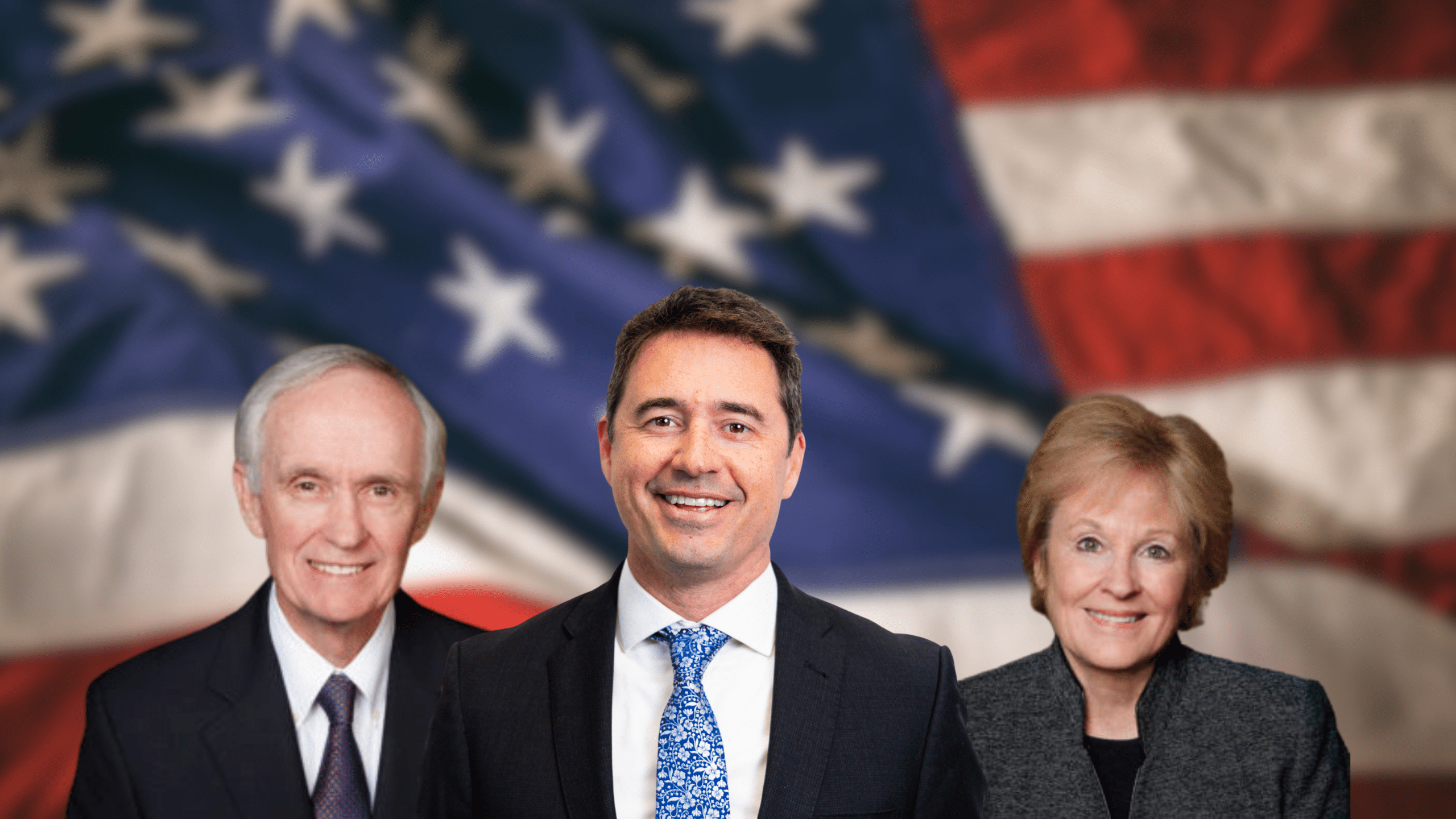
VA attorneys Matthew Hill and Carol Ponton explain what to say and not to say in a lay statement:
Matthew Hill has written THE book on how to prepare (and win!) your VA claim. Get The Road to VA Compensation Benefits for free as an ebook or in print.
Get the free ebookHow to Get a Lay Statement
Obtaining a lay statement involves reaching out to individuals who have firsthand knowledge of your condition or the events that caused it. Consider asking:
- Family Members: They can share observations about how your condition affects your personal life and emotional well-being.
- Coworkers: They can provide insight into how your disability impacts your professional responsibilities and interactions.
- Fellow Service Members: They can recount specific incidents during your military service that contributed to your condition.
When requesting a lay statement, explain the importance of detailed observations. Encourage them to include specific dates, events, and examples that illustrate the impact of your condition. To make the process easier, provide guidance or examples of what to include.
How Should a Lay Statement Be Written?
- Lay statements need to be written in the witness’ own words. They should only speak to what they know what they have personally witnessed.
- Keep the statement consistent. It is very important to keep the facts of the incident or injury as consistent as possible. If there are multiple inconsistencies from the veteran or the witnesses writing the statement, the VA may try and say that the veteran and/or witness is not credible.
- Be sure to include the contact information of the witness writing the statement if the VA were to have any questions.
- The statement should state how the witness knows the veteran.
- There should always be a signature of the person writing the statement.
How to Submit the Statement
Submitting a lay statement is straightforward but requires attention to detail. Use VA Form 21-4138, the Statement in Support of Claim form, to ensure the VA processes the statement correctly.
To maximize the impact of the statement:
- Complete the Form Accurately: Double-check all details to ensure the form is filled out correctly and thoroughly.
- Be Detailed: Ensure the statement includes specific observations, such as dates, incidents, and examples of how your condition affects your life.
- Attach Supporting Evidence: If available, include any documentation that corroborates the statement.
Submitting well-prepared and detailed lay statements can strengthen your claim and provide the VA with the evidence needed to understand your condition fully.
Lay Evidence of Medical Conditions
Lay evidence can also help document medical conditions, though it has limitations. While only medical professionals can provide diagnoses, lay individuals can report observable symptoms. Below are examples of what can and cannot be reported with lay evidence:
| Cannot Report with Lay Evidence | Can Report with Lay Evidence |
|---|---|
| Cancer | Pain, weakness, weight loss |
| Alzheimer’s Disease | Behavioral changes |
| Herniated Discs | Pain or limited mobility |
| Bronchial Asthma | Breathing difficulties |
| Parkinson’s Disease | Tremors or stiffness |
Specialized professionals like EMTs or paramedics can provide additional detail within their scope of training but cannot offer formal diagnoses.
When Is Expert Evidence Required?
While lay evidence is valuable, certain situations require expert evidence. For example:
- Diagnosing a medical condition like herniated discs.
- Explaining why a treatment, like physical therapy, hasn’t improved a condition.
In these cases, medical opinions from professionals carry the necessary weight to support your claim.
Do I Need a Personal Statement Too?
Including a personal statement in your VA disability claim can have a significant impact. This document offers an opportunity to tell your story, highlighting how your condition affects your daily life, work, relationships, and overall well-being.
A personal statement gives your claim a personal touch, offering insight into your unique experience in a way that other lay statements and medical records cannot. A well-crafted personal statement can:
- Explain Your Perspective: Share how your condition limits you and impacts your quality of life.
- Provide Context: Describe events or symptoms that may not be fully detailed in other evidence.
- Strengthen Credibility: Your authentic narrative can help VA reviewers better understand the challenges you face.
When paired with supporting statements from other people, a personal narrative helps create a comprehensive and compelling case. It’s also an essential opportunity to ensure your voice is heard in the claims process. Check out our guide to writing a personal statement.
Limitations of Lay Evidence
While lay statements can strengthen your claim, keep in mind that they are rarely sufficient on their own. To win your case, you’ll need:
- Medical Evidence: Diagnoses and treatment records are critical.
- Expert Opinions: Professional assessments carry significant weight.
- Comprehensive Documentation: Combining lay, medical, and expert evidence provides the strongest case.
If you’re struggling with a denied claim or want to increase your rating decision, reach out for a free case evaluation today.
Need a step-by-step guide on how to file a claim? Download a free copy of our book, The Road to VA Compensation Benefits, and get the guidance you need to navigate the claims process successfully.
Content Reviewed by
Attorney Shelly M. Mark

Shelly is an attorney passionate about serving underserved communities, including veterans, homeless individuals, and those in need. With experience in VA disability claims and social security law, she has worked with non-profits and as an Equal Justice Works Fellow.
Written by