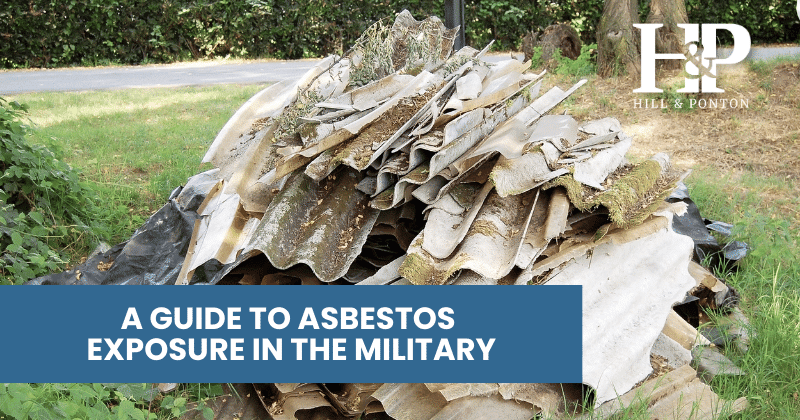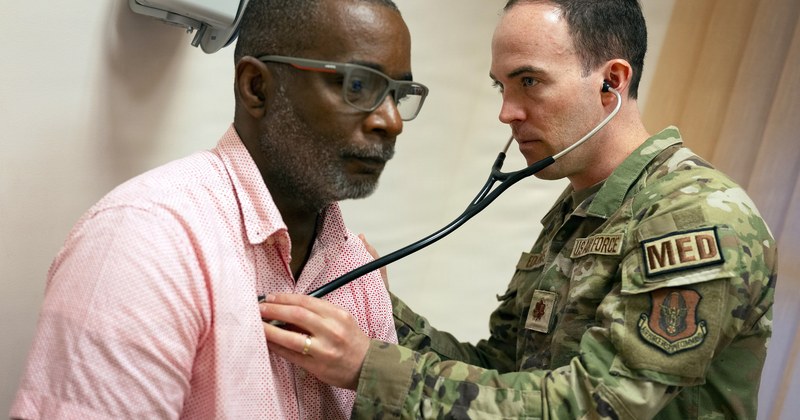

Can a veteran get VA disability for mesothelioma decades after leaving the service? Yes! Mesothelioma gets a 100% disability rating while the cancer is active, even when it shows up 45 years or more after the exposure. If the veteran dies, the family may be able to continue the claim or file for survivor benefits.
Is Mesothelioma a Presumptive Condition for VA Disability?
The Department of Veterans Affairs does not presume that asbestos exposure in service caused mesothelioma, so a mesothelioma claim based on asbestos must be proven through direct service connection. Service connection is VA’s finding that a disability is linked to military service, and compensation depends on it.
Direct Service Connection Requirements
1. Asbestos exposure during service, shown by service records, the veteran’s job, or other credible evidence.
2. A current diagnosis of mesothelioma, documented in medical records. A claim that alleges asbestos exposure without naming mesothelioma (or another specific disability) is not substantially complete.
3. A medical nexus opinion, meaning a doctor’s statement that the in-service exposure is linked to the mesothelioma.
Learn How To File And Win Your VA Claim
Get our FREE book The Road to VA Compensation Benefits.
get the free book
What VA Rating Does Mesothelioma Get?
VA assigns a 100% disability rating to mesothelioma while the cancer is active, and the 100% rating continues for six months after treatment ends until a mandatory VA examination sets the rating again.
Both common forms qualify for disability. VA’s manual tells raters to rate pleural mesothelioma (cancer in the lining of the lungs) by analogy to malignant cancers of the respiratory system, and peritoneal mesothelioma (cancer in the lining of the abdomen) by analogy to malignant cancers of the digestive system. Each of those rating categories pays 100% while the cancer is active.
After the mandatory VA reexamination that follows treatment, VA rates the cancer on any remaining effects (residuals) if it has not returned or spread.
How Much Does VA Pay for Mesothelioma?
The amount for VA disability compensation (100% for mesothelioma) changes each December based on the cost-of-living adjustment and can also vary with the number of dependents claimed by the veteran. The current VA disability rate for 100% is $3,938.58 for the veteran alone (and over $4,000 starting with 2027).
How Do Veterans Prove Exposure in Service?
Veterans prove asbestos exposure in service through their military job, their personnel and service records, and written statements from the veteran and people who served with the veteran. VA’s rater starts with the service records and weighs them with everything else in the file.
Service records that actually say asbestos exposure are the gold standard of what you could hope for. Without them, don’t limit yourself, but look for anything that can provide detail or additional information that describes these exposures, or helps corroborate and show consistency with everything else that you may have given to VA or that they’ve found.
Medical records that mentioned exposure and existed before a mesothelioma claim was filed can be incredibly probative and credible.
In a February 20, 2015 Board decision, VA treatment notes from 1998 and 1999, written when a former yeoman was not seeking compensation, recorded that he was exposed to asbestos when they refitted ships while he was aboard. The Board found those notes credible, gave less weight to the agency’s note that a yeoman’s probability of exposure was minimal, and granted the survivor’s claim.
Which Military Jobs Can Help Link Mesothelioma to Military Service?
VA’s claims manual names shipyard work, insulation work, demolition of old buildings, carpentry and construction, and work with brake linings, clutch facings and other friction products among the major occupations involving asbestos exposure.
For Navy jobs, VA uses a table of asbestos exposure probability with three levels: highly probable (boiler technician, pipefitter, fireman and hull maintenance technician, among others), probable and minimal.
Any listed level, including minimal, lets VA concede exposure for the purpose of scheduling an examination. The list is not exclusive and applies to veterans of other branches who held a listed occupation. Coast Guard veterans may have also served aboard cutters VA recognizes as having asbestos.
What if a Veteran’s Job Isn’t on VA’s List?
A job missing from VA’s list doesn’t end a mesothelioma claim: exposure can still be proven through the veteran’s own account (lay testimony), buddy statements from fellow service members, and personnel and service treatment records, all of which VA weighs for plausibility, consistency and source. The same rule applies to land-based exposure, as in the case of asbestos at Fort Knox.
Does It Matter That the Diagnosis Came Decades After Service?
A diagnosis decades after service does not defeat a mesothelioma claim, because VA’s claims manual recognizes that asbestos-related disease develops over a very long time, with a latent period of 10 to 45 or more years since the first exposure. It’s not unusual for a veteran who left the Navy in 1975 to be diagnosed in 2015.
Does a Mesothelioma Claim Need a Doctor’s Letter?
A VA claim for mesothelioma needs a medical opinion linking the cancer to service, but that opinion does not have to start as a private doctor’s letter. Once exposure is established and the file shows a current diagnosis, VA will request its own examination and medical opinion.
3 Steps to a Successful Mesothelioma Claim
1. The development letter. VA sends a letter asking the veteran for the place, dates and circumstances of the exposure and for medical proof of the disease (pathology reports, such as a biopsy, and the oncologist’s records). A doctor’s spoken mention of mesothelioma might not be enough if the medical records never show the diagnosis.
2. The VA examination and opinion. VA schedules an examination and asks the examiner whether the veteran has mesothelioma and if it is linked to the in-service exposure.
3. A private nexus opinion, if needed. A private opinion can be very helpful when, for example, a VA examiner writes about lung cancer and smoking when the cancer is mesothelioma (the VA manual states that mesotheliomas are not associated with cigarette smoking). An effective nexus letter addresses the specific exposure, the mesothelioma diagnosis, and any medical history or other risk factors, and an independent medical examination can add weight to it.
Can Veterans with Mesothelioma Get Additional Compensation?
Special Monthly Compensation (SMC) is a set of payment levels above the regular 100% compensation for veterans with particular severe disabilities or circumstances. Veterans with service-connected mesothelioma can qualify for special monthly compensation at the SMC-S level (housebound) when they have a 100% rating and either:
- additional service-connected disability or disabilities independently ratable at 60%, separate from the 100% disability and involving different body parts or systems, or
- permanent housebound status from a service-connected disability, meaning substantially confined to the home and its immediate premises (or a hospital ward, if institutionalized), with that confinement reasonably certain to last for life.
What Can Survivors Claim if a Veteran Dies of Mesothelioma?
A surviving spouse or child of a veteran who died of mesothelioma can claim Dependency and Indemnity Compensation (DIC) if service-connected mesothelioma caused or contributed to the death, and can also claim benefits that were due but unpaid at death or continue a claim that was pending, each within one year of the death.
What’s Your Situation?
1. Mesothelioma caused or contributed to the death. DIC is a monthly payment to eligible survivors when a service-connected disability was the principal cause of death or a contributory cause, under 38 CFR 3.312. If the veteran’s mesothelioma was never service connected during life, the survivor can prove it after the death of the veteran with the same evidence of exposure, diagnosis, and medical opinion.
2. The veteran had unpaid benefits. Accrued benefits, the benefits due and unpaid at death, go first to the surviving spouse, then to children, then to dependent parents.
3. The veteran had a pending claim. An eligible survivor can ask to substitute for a veteran who died with a claim or appeal pending (38 CFR 3.1010) and see that claim through to a decision.
Legal Assistance with No Upfront Costs
Hill & Ponton represents veterans and survivors after a denied mesothelioma claim, a remand, a request for a higher rating or special monthly compensation, or a denied DIC claim. Our VA-accredited attorneys have decades of experience winning toxic exposure claims and there is no fee unless we win. Request a free case evaluation to see how we can help you.
Written By

Derek Scadden
Attorney, Hill & Ponton, P.A.
With over a decade of experience in veterans benefits law, Derek Scadden is an attorney dedicated to public service, appellate advocacy, and advancing veterans' access to the benefits they have earned. Prior to joining Hill & Ponton, Derek spent ten years at the Department of Veterans Affairs, Office of General Counsel, including serving as the Deputy Chief Counsel and Acting Chief Counsel of the Benefits Law Group, where he was responsible for providing legal guidance to VA on all aspects of VA benefts.