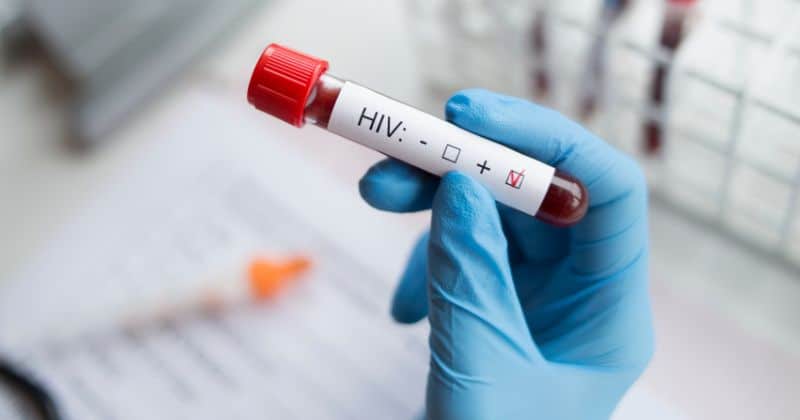

Diseases like HIV and hepatitis occur at higher rates among U.S. military veterans than in the general population, particularly veterans with a history of substance use disorder. In many cases, the link between these conditions and military service is not immediately clear from the record. For some veterans, HIV does not trace back to a single, documented event. Instead, the disease may appear years after service and may relate to medical treatment, deployment-related exposures, or trauma experienced while on active duty. The delayed timeline often complicates service connection.
Because HIV claims often involve delayed diagnosis and evolving symptoms, veterans and their families may need help understanding how the VA evaluates these cases and what evidence carries the most weight. This guide explains how to obtain or increase a VA rating for HIV and AIDS, and the types of disability benefits available.
What Is the VA Disability Rating for HIV?
The VA rates HIV under Diagnostic Code 6351, based on how the condition affects a veteran’s health and functioning over time. Ratings range from 0 percent to 100 percent, with each level tied to symptom severity and functional impact. A compensable rating typically requires the use of “approved medications”, which are broadly defined by the VA to include standard HIV treatments and medications prescribed through approved research programs.
- Asymptomatic HIV is given a 0 percent rating. The veteran has a confirmed diagnosis, but symptoms do not limit daily functioning. Lymph node swelling or reduced T4 cell counts may still be present.
- A 10% rating is assigned when HIV causes constitutional symptoms such as fatigue. This rating may also apply when T4 cell counts fall between 200 and 500, approved HIV medications are required, or depression or memory problems limit employment.
- A 30% rating is given for recurrent constitutional symptoms, intermittent diarrhea, and use of approved medications; or T4 cell count below 200.
- A 60% rating is assigned when symptoms become persistent and difficult to control. This includes refractory constitutional symptoms, ongoing diarrhea or pathological weight loss. The VA assigns at least 60 percent once an AIDS related opportunistic infection or cancer develops, even if symptoms later improve.
- The 100% rating is reserved for advanced cases involving recurrent opportunistic infections, secondary diseases affecting multiple body systems or severe debility and progressive weight loss.
Getting an HIV VA Disability Rating
- A current HIV diagnosis, confirmed by medical records
- An in service event, injury, or exposure that could have led to HIV infection
- A medical nexus linking the diagnosis to military service
A current diagnosis is usually straightforward. VA or private treatment records confirming HIV infection satisfy this requirement. The in service element focuses on whether something occurred during active duty that could reasonably explain exposure. The VA does not require proof of intent or fault. It looks for credible evidence of exposure risk during service, such as:
- Records showing blood transfusions or invasive medical procedures
- Documentation of needle sticks or blood contact
- Records or statements related to sexual assault during service
- Service treatment records reflecting testing or early symptoms
The nexus element connects the diagnosis to service, often through a medical opinion stating that HIV is at least as likely as not related to military service. The VA may also consider:
- Medical records showing when HIV antibodies first appeared
- Testing history that narrows the likely window of infection
- Lay statements describing symptoms, exposure, or testing timelines
The VA does not require an exact date of infection. Service connection may still be granted when evidence shows HIV likely began during active duty or shortly after separation. Service connection decisions are based on probability and consistency, not certainty.
What Benefits Can Veterans Claim for HIV?
Veterans diagnosed with HIV may qualify for VA health care, even if HIV has not been service connected. Eligibility is based on general VA enrollment rules, not disability status alone. Once enrolled, veterans can receive ongoing care to manage HIV as a chronic condition. VA treatment focuses on disease control, routine monitoring, and coordinated specialty care to reduce complications and maintain overall health.
The VA operates a dedicated HIV specialty care program that provides coordinated treatment, monitoring, and support services through VA medical centers nationwide. VA medical centers commonly provide:
- Antiretroviral therapy to control viral load
- Routine laboratory monitoring, including CD4 and viral load testing
- Preventive care and immunizations
- Infectious disease specialty care
- Dental, mental health, and supportive services
The VA is the largest provider of HIV care in the United States and nearly all veterans with HIV who remain engaged in care achieve viral suppression with treatment. Access to consistent medical care also creates a clear treatment record. These records may later support other VA benefit claims if additional conditions develop.
What Disability Compensation Is Available?
Veterans who receive an HIV VA disability rating may qualify for monthly, tax-free disability compensation. This payment is intended to offset the functional and health limitations caused by the condition, and it’s not income based. Veterans may receive compensation whether or not they are employed, as long as eligibility requirements are met. Compensation amounts depend on the assigned disability ratings, which reflect how severely HIV affects daily functioning and overall health. They are based on:
- The severity and persistence of HIV related symptoms
- How often symptoms interfere with daily activities
- Whether the condition causes ongoing health instability
- The level of impairment recognized by the VA
VA disability amounts are updated annually for each rating percentage. Veterans with spouses, children or dependent parents receive higher monthly payments, based on the number and status of dependents. You can use the VA disability calculator to quickly estimate the monthly compensation for the current rates.
How to Increase the VA Rating
Veterans can seek a higher VA disability rating for HIV when medical evidence shows the condition has worsened. The VA allows rating increases when symptoms become more severe, more frequent, or harder to control. A request for an increase focuses on changes since the last VA decision. Veterans must prove that current symptoms more closely match the criteria for a higher rating under Diagnostic Code 6351 by:
- Submitting new medical evidence showing symptom progression
- Documenting increased treatment needs or medication changes
- Showing greater impact on daily functioning
Medical records are central to these requests. Updated treatment notes, lab results, and provider statements help show how HIV currently affects health and activity levels. Veterans should also track symptoms over time. Consistent documentation of fatigue, gastrointestinal issues, weight changes, or functional decline can support a higher evaluation.
An increased rating request does not require a new claim for service connection. It asks the VA to reassess the severity of an already service-connected condition based on current evidence.
Secondary Conditions to HIV / AIDS
HIV affects more than the immune system alone. Over time, the virus and its treatment can lead to additional medical conditions that cause separate and ongoing limitations. When a condition develops because of a service-connected disability, the VA may recognize it as a secondary condition. These conditions are not automatically included in the HIV rating unless the diagnostic criteria specifically require it.
HIV also leads to opportunistic infections, which occur when the immune system can no longer control organisms that are normally harmless in people with healthy immune function. Many of these infections may be service connected as secondary to HIV. Some are considered AIDS defining illnesses, which can affect how the VA evaluates the severity of HIV and support a higher HIV rating under Diagnostic Code 6351.
Other conditions are rated separately under different diagnostic codes when they cause lasting impairment, as long as the same symptoms are not counted twice. To establish secondary service connection, medical evidence must show that the condition is caused or aggravated by HIV or its treatment.
Infections the VA Recognizes as Secondary to HIV
- Candidiasis (thrush): A fungal infection caused by immune suppression that can affect the mouth, esophagus, bronchi, or lungs in HIV positive veterans.
- Coccidioidomycosis: A fungal infection that occurs more frequently and more severely in immunocompromised individuals, often affecting the lungs.
- Cryptococcosis: A serious fungal infection that commonly presents as meningitis in veterans with advanced HIV.
- Cryptosporidiosis: A parasitic infection that causes chronic diarrhea and dehydration in individuals with weakened immune systems.
- Cytomegalovirus (CMV): An opportunistic viral infection that may cause retinitis, gastrointestinal disease, or systemic illness in HIV positive veterans.
- Herpes simplex: Chronic or severe outbreaks of herpes simplex virus that persist due to immune suppression, including prolonged ulcers or respiratory involvement.
- Herpes zoster (shingles): Recurrent or disseminated shingles that occur more often in veterans with HIV due to impaired immune response.
- Histoplasmosis: A fungal infection that can spread beyond the lungs in immunocompromised individuals, including those with HIV or AIDS.
- HIV related encephalopathy: Neurological impairment caused directly by HIV, leading to cognitive and functional decline.
- Isosporiasis (chronic intestinal): A parasitic infection that causes prolonged diarrhea and weight loss in people with advanced immune suppression.
- Mycobacterium avium complex (MAC): A systemic bacterial infection common in late stage HIV that causes fever, fatigue, and weight loss.
- Pneumocystis jirovecii (carinii) pneumonia (PCP): A defining AIDS related fungal pneumonia that leads to severe respiratory illness.
- Pneumonia (recurrent bacterial): Frequent or severe bacterial lung infections resulting from immune compromise.
- Progressive multifocal leukoencephalopathy (PML): A rare but severe viral brain infection caused by the JC virus in immunosuppressed individuals.
- Salmonella (recurrent or septicemia): Chronic or recurrent bacterial infections linked to immune system failure in HIV positive veterans.
- Toxoplasmosis: A parasitic infection, often affecting the brain, that occurs in advanced HIV and can cause serious neurological symptoms.
- Tuberculosis: A bacterial infection that develops more easily and progresses more rapidly in immunocompromised individuals.
- HIV wasting syndrome: A condition involving severe, involuntary weight loss and debility directly related to advanced HIV infection.
Cancers Related to HIV and AIDS
HIV-related immune suppression increases the risk of certain cancers. These cancers occur more often in veterans with weakened immune systems and are recognized by the VA as associated with HIV or AIDS. These cancers may support an increased HIV rating or be evaluated separately if they cause lasting disability. The VA reviews medical evidence to determine how each cancer affects overall health and functioning.
- Anal cancer: Occurs at higher rates in individuals with HIV due to immune dysfunction and persistent viral infections.
- Cervical cancer: An AIDS defining cancer that may develop more aggressively in immunocompromised individuals.
- Kaposi sarcoma: A cancer strongly associated with advanced HIV that commonly affects the skin, lymph nodes, and internal organs.
- Lymphomas: Blood cancers that occur more frequently in veterans with HIV due to impaired immune regulation.
Other Secondary Conditions
In addition to opportunistic infections and cancers, HIV and long term treatment can affect multiple body systems. These effects may result in separate medical conditions that cause ongoing symptoms or functional limitations. When medical evidence shows a condition is caused or aggravated by HIV or its treatment, the VA may recognize it as a secondary service-connected disability. Common secondary conditions include:
- Depression or anxiety: Chronic illness, social stressors, and long-term treatment can contribute to mental health conditions linked to HIV. Find out if the VA misrated your mental disability claim.
- Peripheral neuropathy: Nerve damage that causes pain, numbness, or weakness, which may result from HIV itself or antiretroviral medications.
- Kidney disease: HIV associated nephropathy and other kidney conditions may develop due to immune dysfunction or medication effects.
- Hepatitis B or C infection: These viral infections occur at higher rates in veterans with HIV and can worsen overall health outcomes.
- Cardiovascular disease: Long term HIV infection and extended use of antiretroviral therapy may increase heart and vascular risks.
- Chronic fatigue or immune system complications: Persistent exhaustion and reduced stamina may occur even when viral load is controlled.
When secondary conditions are granted service connection, the VA combines their ratings with the primary HIV rating rather than replacing it. This often increases the overall combined rating and may move a veteran closer to 100 percent disability or eligibility for Total Disability based on Individual Unemployability.
Getting VA Unemployability
When HIV and its related conditions prevent a veteran from maintaining steady employment, Total Disability based on Individual Unemployability (TDIU) may allow compensation at the 100 percent rate, even if the combined standard rating is lower.
TDIU is based on functional impact, not diagnosis alone. The VA evaluates whether service-connected conditions make it impossible to secure or follow substantially gainful employment (regular work that earns above poverty level). For veterans with HIV, work limitations stem from:
- Severe or persistent fatigue
- Cognitive impairment or memory problems
- Recurrent infections requiring frequent treatment
- Neuropathy affecting mobility or fine motor skills
- Medication side effects that interfere with focus or stamina
Veterans do not need to be completely unable to work to qualify for TDIU. The issue is whether employment can be performed consistently and reliably, not on a sporadic or short-term basis. Medical records, employer statements, and vocational evidence are central to TDIU claims. This evidence should show how HIV and related conditions interfere with attendance, productivity, or job performance.
Special Monthly Compensation (SMC)
SMC is additional, tax-free VA compensation paid on top of standard disability benefits, or replacing standard disability with compensation going beyond 100% benefits. It is granted when service-connected disabilities cause severe limitations that are not fully reflected by percentage ratings alone.
This additional financial assistance may be warranted when HIV or AIDS leads to advanced immune system compromise, serious secondary illnesses, or physical debility that affects independence or safety. If a veteran requires assistance, has restricted mobility, or faces ongoing medical risk, Special Monthly Compensation is an option worth pursuing.
SMC-S (Housebound Status)
SMC-S, also called housebound benefits, provides additional compensation when service-connected disabilities substantially limit a veteran’s ability to leave the home. Veterans with advanced HIV and serious secondary conditions may qualify when immune suppression, fatigue, or medical vulnerability restricts normal activity outside the home. A veteran may meet housebound criteria when HIV or its complications cause:
- Significant difficulty leaving the home without assistance
- Medical restrictions due to infection risk or immune compromise
- Most medical care occuring at home
- Severe physical or functional limitations
Housebound status does not require complete confinement. The VA allows limited outings for medical care without disqualification. Eligibility may be established either by having a single service-connected disability rated as total with additional qualifying disabilities, or by showing that a combination of service-connected conditions effectively confine the veteran to the home. Find out more about SMC-S housebound requirements.
SMC-L (Aid and Attendance)
SMC-L provides additional compensation when a veteran requires the regular assistance of another person due to service-connected disabilities. For veterans with HIV or AIDS, Aid and Attendance may apply when advanced illness or secondary conditions limit the ability to perform basic personal tasks safely and independently. A veterans could qualify if HIV-related conditions cause difficulty with:
- Bathing or maintaining personal hygiene
- Dressing or undressing
- Feeding oneself
- Managing medications or medical equipment
- Protecting oneself from daily hazards
Eligibility is based on functional need, not diagnosis alone. The VA evaluates whether service-connected disabilities create a regular requirement for personal assistance. Veterans receiving home-based primary care, skilled nursing services, or hospice level care often meet Aid and Attendance criteria when that care is required due to service-connected conditions. Learn more about obtaining SMC-L, including how the VA evaluates daily living limitations and medical evidence.
SMC-K (Loss of Use or Loss of Function)
SMC-K provides additional compensation for the loss or loss of use of specific body parts or bodily functions caused by service-connected disabilities. This benefit is paid in addition to regular VA disability compensation. For veterans with HIV, SMC-K may apply when secondary conditions or treatment-related complications result in permanent functional loss affecting a specific body part or function:
- Loss of effective use of the feet or hands from peripheral neuropathy
- Vision loss due to HIV-related eye conditions
- Erectile dysfunction that develops as a secondary condition
Total disability or the need for daily assistance are not required, but eligibility does depend on documented loss of use or loss of function (see the SMC-K requirements). Veterans with advanced HIV, widespread secondary conditions or severe functional limitations are often more likely to qualify for SMC-S (housebound) or SMC-L (aid and attendance) than for SMC-K.
Content Reviewed by

Anne Linscott is an attorney at Hill & Ponton, P.A., dedicated to helping veterans secure the disability benefits they deserve. With a strong background in finance and law, Anne brings compassionate advocacy and a deep commitment to supporting those who have served.
Written by