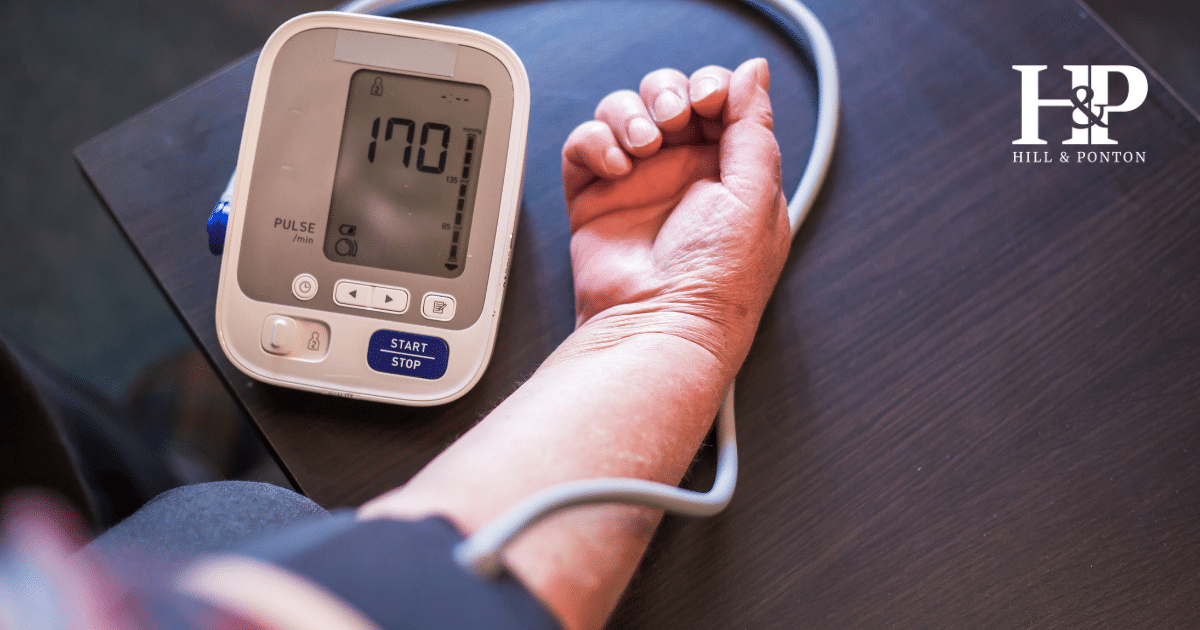

VA denies veterans compensation for hypertension most often for three reasons: no documented link to service, no presumption (as a chronic disease or under the PACT Act), or blood pressure readings that did not meet the thresholds in Diagnostic Code 7101.
Each denial reason has a specific fix. Some veterans need a stronger nexus letter. Others need private blood pressure logs, service treatment records, different evidence or a better appeal lane. Since the PACT Act expanded hypertension as a presumptive condition for certain Agent Orange-exposed veterans, many denied hypertension claims can now be won.
Why Did VA Deny My Hypertension Claim?
VA usually denies hypertension claims because the veteran did not prove service connection according to 38 CFR § 3.303 or the diagnosis came more than one year after discharge. The PACT Act may override a prior nexus denial for qualifying Agent Orange-exposed veterans.
VA Says There Is No Service Connection
VA requires proof that hypertension began in service, was caused by service, was aggravated by service, or is secondary to a service-connected condition. If the records do not show that link, VA may deny the claim before it ever reaches the rating stage.
This is where an independent medical opinion can matter. A doctor must explain why the veteran’s hypertension is at least as likely as not related to service or to another service-connected condition.
VA Says the Diagnosis Came Too Late
Hypertension is a chronic disease under VA rules. If it appears to a compensable degree within one year after discharge, VA may presume service connection under 38 CFR § 3.309(a).
If the diagnosis came later than one year after discharge, that automatic path may not apply. The veteran may still win, but the claim usually needs independent evidence.
VA Says the Blood Pressure Readings Are Not Severe Enough
Some veterans prove service connection but still receive a 0% rating because their readings do not meet VA’s compensable threshold.
Under DC 7101, VA generally looks for diastolic readings of 100 or more, systolic readings of 160 or more, or a history of diastolic pressure predominantly 100 or more requiring continuous medication.
Does a 0% Rating Mean I Was Denied?
No. A 0% rating means VA acknowledged service connection but found the hypertension does not currently meet the 10% threshold for monthly compensation.
That is still a win. It makes a veteran eligible for VA healthcare and establishes service connection as a legal fact. If the disability worsens, or if hypertension later causes secondary conditions, the veteran has a stronger starting point to claim a higher rating.
What Are the VA’s Blood Pressure Requirements for a Hypertension Rating?
VA rates hypertension under 38 CFR § 4.104, Diagnostic Code 7101. The VA rating for hypertension depends on whether the veteran’s blood pressure readings meet specific systolic or diastolic thresholds.
| VA Rating | Blood Pressure Requirement Under DC 7101 |
|---|---|
| 60% | Diastolic pressure predominantly 130 or more |
| 40% | Diastolic pressure predominantly 120 or more |
| 20% | Diastolic pressure predominantly 110 or more, or systolic pressure predominantly 200 or more |
| 10% | Diastolic pressure predominantly 100 or more, or systolic pressure predominantly 160 or more, or a history of diastolic pressure predominantly 100 or more requiring continuous medication |
VA defines hypertension as diastolic pressure predominantly 90 or greater. It defines isolated systolic hypertension as systolic pressure predominantly 160 or greater with diastolic pressure under 90.
VA also requires confirmation by readings taken two or more times on at least three different days. That matters because one controlled reading at a C&P exam may not show the full disability picture.
Will Taking Blood Pressure Medication Disqualify Me?
No. Taking medication does not disqualify you. Under DC 7101, a veteran can receive a 10% rating with a history of diastolic pressure predominantly 100 or more if continuous medication is required for control. That means medication use can support the claim when the record shows the underlying severity.
Veterans are often underrated when VA relies only on a single controlled reading. Private blood pressure logs, older readings before medication, and physician statements can help show the real pattern.
A useful blood pressure log should include:
- date and time
- systolic reading
- diastolic reading
- medication timing
- symptoms at the time
- whether the reading was taken at home, work, or a clinic
If a C&P examiner takes only one reading, the veteran should consider submitting additional readings from a private provider or home log.
What Are the Signs and Symptoms of Hypertension That VA Considers?
Hypertension is often called a “silent” condition because many people do not feel symptoms until it causes damage. That is why VA rates hypertension mainly by blood pressure numbers, not by symptoms alone.
Still, symptoms matter for two reasons. They help show the condition is active, and they may support secondary claims caused by hypertension. VA may document symptoms such as:
- headaches
- dizziness
- shortness of breath
- chest pain
- nosebleeds
- vision changes
- fatigue
- palpitations
These symptoms do not usually decide the rating percentage by themselves. Blood pressure readings still drive the DC 7101 rating.
But symptoms can matter when hypertension causes or contributes to another condition, such as heart disease, stroke residuals, left ventricular hypertrophy, or kidney disease. Those conditions may be rated separately when the medical evidence supports the link.
Document symptoms in a personal statement. Even if a symptom feels minor, it may help create a record for future secondary condition claims.
If you’ve had private treatment, submit VA Form 21-4142 so VA can request those records. Private records often show episodes that VA treatment notes miss.
If symptoms affect work, the evidence may also matter for TDIU. For example, chronic fatigue, trouble concentrating, frequent medical appointments, or uncontrolled episodes could support a work-impact argument when combined with other service-connected conditions.
Does the PACT Act Cover Hypertension?
The PACT Act added hypertension as a presumptive condition for veterans with qualifying Agent Orange exposure. “Presumptive” means VA assumes the service connection exists when a veteran meets the diagnosis and exposure requirements.
Many older hypertension claims were denied for lack of nexus. If the veteran now qualifies under the Agent Orange presumption, VA may no longer require a medical opinion determining that Agent Orange caused the hypertension.
Qualifying Agent Orange exposure may include service in:
- Vietnam
- the Korean DMZ during the covered period
- certain Thailand bases
- Guam or American Samoa during covered periods
- Laos or Cambodia during covered periods
- Johnston Atoll during covered periods
- service involving contaminated C-123 aircraft
The location and dates determine who is eligible. Review service records, personnel files, unit histories, flight records, and deployment records to prove qualifying service.
My Hypertension Claim Was Denied Before the PACT Act. Can I Refile?
Yes. Veterans whose hypertension was denied before the PACT Act and who have qualifying Agent Orange exposure can file a Supplemental Claim, using the change in law as new and relevant evidence.
There is no statute of limitations on Supplemental Claims, but effective dates and back pay can depend on when and how the claim is filed.
Can Hypertension Be Approved as Secondary to Another Condition?
Yes. Even if the direct connection to military service was denied, hypertension can be approved as secondary to another VA disability. Under 38 CFR § 3.310, VA may grant service connection when a disability is caused or aggravated by an already service-connected condition. This means a veteran does not always need in-service blood pressure readings.
Required Elements
- a current hypertension diagnosis
- an already service-connected primary condition
- a medical nexus opinion linking the primary condition to hypertension
Hypertension Secondary to TBI
A traumatic brain injury may affect autonomic regulation in some veterans. If a service-connected TBI disrupted blood pressure control or aggravated hypertension, a medical opinion could support secondary service connection.
Hypertension Secondary to Sleep Apnea
Sleep apnea is another common pathway. Obstructive sleep apnea can cause repeated oxygen drops and stress responses during sleep, which may contribute to elevated blood pressure. If sleep apnea is already service connected, hypertension may be claimed as secondary when a physician explains the causal or aggravating link.
Hypertension Secondary to PTSD
PTSD may support a secondary hypertension claim when medical evidence explains the connection. The argument usually focuses on chronic stress, sympathetic nervous system activation, sleep disruption, and sustained blood pressure elevation. A nexus letter should cite medical literature and explain how the veteran’s PTSD symptoms affected blood pressure over time.
Can I Claim Hypertension Secondary to PTSD Without In-Service Blood Pressure Readings?
Yes. Secondary service connection does not require in-service hypertension records. You need a current hypertension diagnosis, a service-connected primary condition such as PTSD, and a medical opinion explaining how that condition caused or aggravated the hypertension.
This pathway is often overlooked because many veterans assume they needed high blood pressure readings while still in uniform.
Learn How To File And Win Your VA Claim
Get our FREE book The Road to VA Compensation Benefits.
get the free book
What Evidence Do You Need to Win a VA Hypertension Claim?
A strong hypertension claim usually follows an evidence hierarchy: medical records first, nexus letter second, lay evidence third. The goal is to show the VA that hypertension is current, connected to service, and rated correctly.
Service Treatment Records
Pull every blood pressure reading from service treatment records. Even readings below VA’s formal threshold can matter if they show a rising pattern.
For example, readings like 138/88, 145/92, or repeated elevated readings may not prove hypertension alone. But they may support continuity of symptoms when combined with later records and a medical opinion.
Post-Service Medical Records
Records from the first year after discharge can be especially important. If hypertension was diagnosed or reached a compensable level within one year, the veteran may qualify under the chronic disease presumption.
Records after the first year still matter. They establish the current disability and show how long the condition has existed. Useful records include:
- primary care notes
- cardiology records
- blood pressure logs
- medication records
- emergency room records
- private treatment notes
- pharmacy records showing long-term medication use
Private Nexus Letter
For non-presumptive claims, a strong nexus letter may be the most important evidence. The nexus letter should:
- identify the current hypertension diagnosis
- review service treatment records
- discuss post-service treatment history
- use the phrase “at least as likely as not”
- explain the medical mechanism linking hypertension to service or to a service-connected condition
- cite specific records, not just general medical theory
For direct service connection under 38 CFR § 3.303, the letter should connect the current hypertension to an in-service event, elevated blood pressure trend, documented symptoms, or another service-related factor. A short letter that says “hypertension is related to service” without a rationale is easy for VA to reject.
Lay Evidence and Buddy Statements
Lay evidence can describe symptoms and observable facts. It cannot usually prove medical causation by itself, but it can strengthen the record. Useful lay statements may describe:
- frequent headaches
- dizziness
- vision changes
- home blood pressure readings
- medication use
- doctor visits
- symptoms that began during or soon after service
Family members, fellow service members, or coworkers may also describe what they observed.
Personal Statement
A personal statement on VA Form 21-4138 should explain:
- when elevated blood pressure first appeared
- whether readings were noted during service
- when medication began
- how often symptoms occurred
- whether another service-connected condition worsened hypertension
- how hypertension affects daily life and work
C&P Exam Strategy
Before the C&P exam, prepare the following:
- a private blood pressure log with at least 6 to 8 readings across multiple days
- a current medication list
- private medical records
- any nexus letter already obtained
- notes about symptoms and work impact
VA rules require hypertension confirmation through readings taken two or more times on at least three different days. If the C&P exam relies on one quick reading, that may not fully reflect the condition.
What Makes a Strong Nexus Letter for Hypertension?
A strong nexus letter identifies the current diagnosis, reviews the veteran’s service and medical records, and states that hypertension is at least as likely as not related to service or to a service-connected condition.
The opinion must explain why and cite specific readings, treatment history, risk factors, or recognized medical mechanisms. A conclusory letter is much weaker.
How Do I Appeal the Denied Claim?
The right appeal path depends on why the claim was denied and what evidence is available. The modern VA appeals system offers three review options:
- Supplemental Claim
- Higher-Level Review
- Board Appeal
You have one year from the date of the decision letter to choose one of these lanes and preserve the effective date.
Supplemental Claim
A Supplemental Claim is usually the best option when the veteran has new and relevant evidence. Choose this lane if you have:
- a new nexus letter
- private blood pressure logs
- service records VA did not review
- updated medical records
- evidence of Agent Orange exposure
- a PACT Act law change that applies to the claim
For many veterans with pre-PACT Act hypertension denials, the Supplemental Claim lane is the best fit because the legal standard changed.
Higher-Level Review
The Higher-Level Review may be the right lane if VA made an error based on the evidence already in the file. Use this lane when VA:
- misread blood pressure readings
- ignored DC 7101 thresholds
- overlooked a presumptive theory
- failed to consider medication history
- made a legal or factual error
You cannot add new evidence for a Higher-Level Review. A senior reviewer looks at the existing record.
Board Appeal
A Board Appeal sends the case to a Veterans Law Judge. There are three Board options:
- Direct Review, with no new evidence
- Evidence Submission, with 90 days to submit evidence
- Hearing, with live testimony before a judge
Board Appeals can be useful for complex claims, but they take much longer than the other appeals, so this lane shouldn’t be the first option.
Should I File a Supplemental Claim or Higher-Level Review?
File a Supplemental Claim if you have new evidence, such as a nexus letter, private records, or a law change like the PACT Act. File a Higher-Level Review if VA made a clear legal or factual error based on the record it already had. Need help choosing the right path? Request a free case evaluation to explore your appeal options.
Hill & Ponton focuses on helping veterans appeal denied VA disability claims. If VA denied your hypertension claim, overlooked Agent Orange exposure, rejected your nexus letter, misapplied the DC 7101 rating criteria, or ignored secondary service connection, we are ready to stand with you.
Content Reviewed By

Brenda Duplantis
Accredited Claims Agent
Brenda Duplantis is a Accredited Claims Agent with a solid background in Social Security Disability Law and Veterans Law. She has been helping clients at Hill & Ponton with disability claims since 1991. Brenda is a member of the National Organization of Veterans’ Advocates.
Written By
Michallie Harrison
Michallie K. Harrison is a retired U.S. Army Sergeant First Class with 21 years of service, including three combat tours. She holds a Bachelor of Arts in Liberal Studies with an emphasis in history, criminal justice, and administration and is currently pursuing a second bachelors degree in mass communications with a minor in creative writing. A 100% permanently and totally disabled veteran as rated by the Department of Veterans Affairs, she applies her background in military journalism and investigative research to produce precise, analytical, and well-researched work.