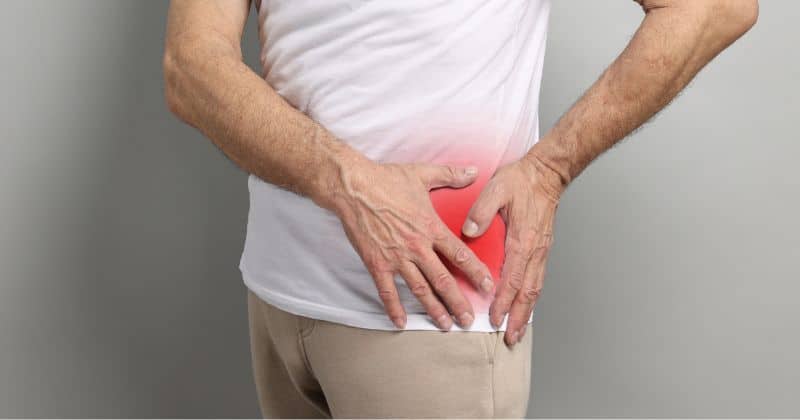

Many veterans suffer from hip pain caused by years of uneven walking, instability, or compensating for a bad knee by overloading the opposite hip. If you developed a hip problem due to abnormal gait, the VA may recognize the hip condition as service-connected if evidence shows it was caused or aggravated by a service-connected knee disability.
Hip pain secondary to knee pain can qualify for VA disability ratings ranging from 10% to 40%, depending on how much the hip’s range of motion is limited and how severe the symptoms become. In rare cases where the joint becomes severely impaired, ratings could be even higher.
Making a Successful VA Claim for Secondary Hip Pain
Start with the Right Target: Hip Pain vs a Hip Diagnosis
The VA generally compensates diagnosed disabilities, not symptoms alone. If your medical records only mention “hip pain,” the VA may deny the claim unless a doctor identifies the underlying condition causing that pain.
VA adjudicators typically need a specific diagnosis so they can apply the correct diagnostic code under the VA rating schedule. Common diagnoses that may appear in records include:
- Hip strain or tendonitis
- Trochanteric pain syndrome or bursitis
- Osteoarthritis or degenerative joint disease
- Labral tears or cartilage damage
- Sacroiliac joint dysfunction
- Referred pain from the lumbar spine
In some cases, what feels like hip pain may actually come from nearby structures, such as the lower back or sacroiliac joint. Doctors often determine the exact cause through physical exams, imaging studies, and orthopedic evaluations.
Obtaining a clear diagnosis helps the VA determine which rating criteria apply and allows the condition to be evaluated under the appropriate diagnostic code.
Make Sure Knee Pain is Service-connected
A secondary condition requires an existing service-connected disability. If your knee condition is not already service-connected, the VA will deny the hip claim as a secondary condition because there is no primary condition to link it to. Secondary service connection requires evidence that one disability was caused or worsened by an existing service-connected condition.
In practice, this means you may need to first establish service connection for the knee before pursuing the hip condition. In some cases, veterans file both claims at the same time, but the VA must grant the knee condition before it can approve the hip as secondary.
Your medical records should clearly show that the knee condition exists and affects how you move. Once that is established, the VA can then evaluate whether the knee condition caused or aggravated the hip disability.
Knee Problems That Often Cause Hip Conditions
- Knee instability
- Degenerative arthritis
- Meniscus damage
- Chronic knee pain affecting gait
File for All Related Conditions
When one joint becomes unstable or painful, the body often compensates by shifting weight or changing walking mechanics. Over time, that compensation can place additional strain on nearby joints, leading to new orthopedic problems.
When filing or appealing a claim, it may be helpful to include all related conditions that developed from the knee disability. Listing them early allows the VA to review the full picture of how the knee condition affects the body. Related conditions may include:
- Hip disorders
- Back problems caused by altered gait
- Opposite knee problems
- Sacroiliac joint pain
Filing related conditions together may also help protect effective dates and potential compensation if the VA later determines those conditions are connected to the original knee disability.
VA Ratings for Hip Pain Secondary to Knee Pain
For the majority of secondary hip disabilities caused by abnormal gait from a knee condition, the most common ratings are:
- 10% (painful motion, mild limitation, bursitis or strain)
- 10% to 20% (objective limitation in flexion/abduction)
- 20% to 40% (more severe loss of range of motion, frequent flare-ups)
Most hip ratings come from the VA Schedule for Rating Disabilities (38 C.F.R. § 4.71a), which covers disabilities of the hip and thigh. The VA primarily evaluates these conditions based on range of motion and functional loss.
The VA assigns ratings based on which movements are limited and how severe the limitation is. Pain during movement, weakness, instability, and flare ups can also affect the final rating because the VA must consider how the condition impacts normal daily functioning.
Painful Motion with Near Normal Range of Motion
If the hip moves normally but causes pain during motion, the VA often assigns a 10% disability rating. This frequently occurs when the diagnosis is:
- Hip strain
- Bursitis
- Tendonitis
Limitation of Flexion (Bending the Hip)
Flexion is one of the most common ways hip conditions receive higher ratings. VA rating levels include:
| VA Rating | Flexion Limitation |
|---|---|
| 10% | Limited to 45 degrees |
| 20% | Limited to 30 degrees |
| 30% | Limited to 20 degrees |
| 40% | Limited to 10 degrees |
Limitation of Extension
Extension refers to moving the leg backward. The VA assigns a 10% rating for extension limited to 5 degrees.
Limitation of Rotation, Adduction, or Abduction
These movements control outward rotation and the ability to cross the legs. The following ratings may apply when the hip joint becomes stiff, painful, or structurally damaged.
| VA Rating | Movement Limitation |
|---|---|
| 10% | Cannot toe out more than 15 degrees |
| 10% | Cannot cross legs |
| 20% | Abduction limited beyond 10 degrees |
How to Establish Secondary Service Connection
When claiming a hip condition caused by knee pain, the claim should clearly state that the hip condition is secondary to the service-connected knee disability. Typical claim language may include:
- “Left hip condition secondary to service-connected left knee instability due to altered gait.”
- “Hip condition aggravated by service-connected knee arthritis.”
Secondary service connection generally requires three elements:
- A current hip disability
- A service-connected knee condition
- Medical evidence linking the knee condition to the hip disorder
A 2025 study involving more than 344,000 veterans in the Million Veteran Program found that arthritis often affects multiple joints in the same person, which researchers attribute in part to mechanical overcompensation.
When a knee becomes unstable or painful, the body often shifts weight and walking patterns. Over time, that compensation may place excessive stress on the hip.
In the case of knees, years of walking unevenly to protect a bad knee will overload the opposite hip. A study of osteoarthritis showed that people who needed a knee replacement were more than twice as likely to later need a hip replacement on the opposite side of their body.
Because several theories may explain the connection, veterans should not assume the case ends if a VA examiner disagrees. Additional medical evidence may still support the claim.
If the VA denied your claim or assigned a low rating, Hill & Ponton attorneys may be able to help you appeal the decision. Request a free case evaluation to have our team review your case and determine the best path to pursue the benefits you earned through your service.
What Evidence Do You Need to Win VA Disability for Hip Pain Secondary to Knee Pain?
1. A Documented Altered Gait or Biomechanical Chain
Medical records that show abnormal walking patterns can strongly support a secondary claim. Examples include:
- Physical therapy notes describing antalgic gait
- Documentation of Trendelenburg gait
- Pelvic tilt observations
- Leg length discrepancies
- Use of knee braces or canes
- Orthopedic notes describing instability or subluxation
- Imaging showing degenerative changes consistent with joint overload
2. A Strong Medical Nexus Opinion
A medical nexus opinion is often the most important piece of evidence in a secondary claim. A physician may review the medical history and provide a written opinion explaining:
- The diagnosis of the hip condition
- The existing knee disability
- How knee instability or altered gait affects hip mechanics
- Whether the knee condition caused or aggravated the hip problem
Doctors often use language such as:
- “It is at least as likely as not that the service-connected knee condition caused the hip condition.”
- “The knee condition aggravated the hip disability beyond its natural progression.”
When medical opinions conflict, the VA may apply the benefit of the doubt rule if the evidence is evenly balanced.
3. A Clean Timeline
Claims are stronger when medical evidence shows how symptoms developed over time. A clear timeline helps show when the knee condition worsened and how the hip condition developed. Helpful documentation may include:
- When knee symptoms worsened
- When hip pain first appeared
- Evidence of limping or compensatory walking
- Records showing the use of braces, canes, or reduced mobility
How to Prevent a Denial of Your Claim
The VA often denies secondary claims when key evidence is missing or unclear. These decisions are usually tied to gaps in diagnosis, documentation, or medical opinions. Common denial reasons and possible solutions include:
- No diagnosis, only pain. Obtain a formal diagnosis from a clinician.
- “The hip condition was caused by age/weight.” Ask the doctor to explain why knee mechanics contributed to the condition.
- No evidence of abnormal gait. Request documentation from physical therapy or orthopedic specialists.
- Long time gap between conditions. Provide evidence showing when knee mechanics changed and how compensation patterns developed.
Get Expert Help with Your Secondary Claim
If the VA denied your claim or assigned a rating that does not reflect the severity of your condition, you may have appeal options available.
Hill & Ponton focuses on helping veterans challenge VA decisions through the appeals process. You can request a free case evaluation to have your case reviewed and determine your next steps.
Ways to Increase VA Benefits for Hip Pain and Knee Pain
In some situations, veterans may qualify for higher compensation than their current rating. Potential options may include:
- Appealing for a higher rating for the hip condition
- Seeking an increased rating for the knee disability
- Claiming additional secondary conditions affecting other joints
- Applying for Total Disability based on Individual Unemployability (TDIU) if the combined disabilities prevent employment
TDIU allows veterans to receive compensation at the 100% disability rate if service-connected conditions prevent them from maintaining substantially gainful employment. Learn more about eligibility from the TDIU guide.
Maximize Your Benefits
Unhappy with your VA decision? We’re here to help. Contact us for a free review of your case.
Content Reviewed by

Shannon was born on MacDill AFB in Tampa, Florida as the daughter of a U.S. Air Force Master Sergeant and a high school English teacher. She was a member of the University of Florida Law Review and published a case note on the Florida Privacy Amendment. She practiced land use and environmental law for several years but felt called to serve our veteran population and changed her practice area to veterans disability law.
Written by