
Brain tumors are a growing concern for veterans, and recent studies show just how common they have become. Between 2004 and 2018, researchers found that the average annual incidence rate of primary brain tumors among U.S. veterans was 11.6 per 100,000 people.
Noncancerous (benign) tumors were more frequent than malignant ones, with pituitary tumors and meningiomas among the leading diagnoses. Glioblastoma, one of the most aggressive cancers, was also seen at a rate of nearly 2 cases per 100,000.
For veterans, these numbers are more than statistics. A brain tumor can change every part of life, from how you think, move, work, and interact with others.
The VA recognizes this and provides disability benefits for both malignant and benign brain tumors. But understanding how the VA assigns ratings and when tumors qualify as presumptive conditions is not always simple.
Brain Cancer VA Ratings
Once a veteran receives a diagnosis of active brain cancer, the VA automatically assigns a 100% disability rating according to Diagnostic Code 8002.
This rule applies regardless of the specific type of cancer or the symptoms it is causing at that moment. The focus is on the seriousness of the disease itself.
The 100% rating also applies while the veteran is undergoing treatment such as surgery, radiation therapy, or chemotherapy.
The VA recognizes that these treatments can be just as disabling as the cancer, often leaving veterans fatigued, disoriented, or unable to work during the process.
By regulation, the 100% rating continues for six months after the last treatment. This period is meant to give the body time to recover and ensure that the veteran is not left without compensation during the vulnerable stage of follow-up care.
After those six months, the VA requires a new examination to reassess the veteran’s condition.
At this stage, the cancer itself may be in remission, but many veterans are left with residual symptoms. These can include seizures, chronic headaches, memory loss, mood changes, or motor and sensory deficits such as weakness or paralysis.
The VA then assigns new ratings based on those lasting effects, using the diagnostic codes that best match each symptom.
Learn to Prepare (and Win!) Your VA Claim with Our Free Book
The Road to VA Compensation Benefits
Types of Brain Cancer
While the VA does not assign different ratings based on the type of malignant brain cancer, understanding the most common forms helps explain why symptoms and long-term effects can vary so widely.
All malignant brain tumors are rated under DC 8002, but each diagnosis can look very different in practice.
Glioblastoma multiforme (GBM) is the most aggressive and frequently diagnosed malignant tumor in veterans. It grows quickly, invades surrounding brain tissue, and often requires a combination of surgery, radiation, and chemotherapy.
Even with aggressive treatment, glioblastoma typically carries a poor prognosis and often leaves behind serious residual effects such as seizures and cognitive decline.
Astrocytomas also begin in the brain’s glial cells but can range from slow-growing to highly aggressive.
Low-grade astrocytomas may progress slowly and cause subtle symptoms at first, while high-grade forms act more like glioblastoma and can be just as disabling.
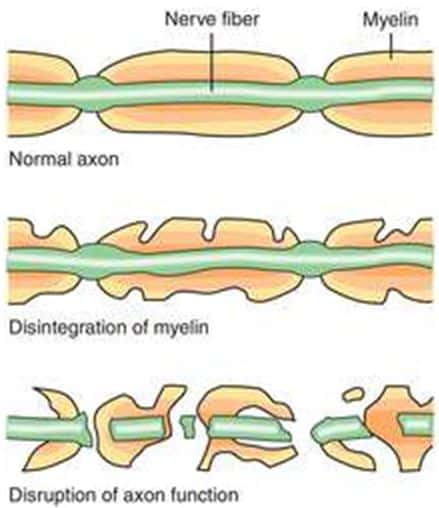
Oligodendrogliomas develop from the cells that produce myelin, the protective covering around nerve fibers. Malignant versions of these tumors tend to grow faster and may lead to seizures, headaches, or changes in memory and concentration.
Ependymomas arise in the ventricles of the brain or along the spinal cord. Because of their location, they can block the flow of cerebrospinal fluid and trigger symptoms like nausea, headaches, or problems with balance and coordination.
Medulloblastomas are fast-growing tumors usually found in the cerebellum, the part of the brain that controls coordination. While they are more often diagnosed in children, adults can also be affected.
Veterans with medulloblastoma may experience headaches, vision changes, vomiting, or difficulty walking.
The VA places all of these cancers into the same diagnostic category for rating purposes, but the type of tumor often influences the kinds of residuals a veteran will face, an important factor in later stages of the rating process.
Rating Tumors by Analogy
Not every brain tumor fits neatly into the VA’s rating schedule. Some are rare, while others cause symptoms that do not line up directly with the listed diagnostic codes. In those cases, the VA uses a process called rating by analogy.
Rating by analogy allows the VA to choose a diagnostic code for a condition that produces similar symptoms and apply that code to the veteran’s case.
For example, if a brain tumor leads to persistent balance problems, the VA might assign a rating under DC 8007–8009, which covers conditions such as cerebral thrombosis, hemorrhage, or embolism.
These codes carry a minimum rating of 10% but can reach 100% if the symptoms are severe.
This approach is important because it ensures that veterans with unusual or less common tumors are not overlooked.
Even if a tumor does not have a dedicated diagnostic code, the functional loss it causes, such as difficulty walking, ongoing headaches, or coordination problems, must still be accounted for in the disability rating.
By using analogy, the VA can extend the rating schedule to cover a wide variety of conditions, making sure that veterans with rare tumors receive fair recognition and compensation for the impact on their daily lives.
Benign Brain Tumor VA Ratings
Benign brain tumors are rated differently from malignant ones. While they are not cancerous, they can still cause serious health problems if they press on sensitive areas of the brain or interfere with normal function.
The VA assigns these conditions a rating under Diagnostic Code 8003.
Unlike malignant tumors, benign tumors do not receive an automatic 100% rating. Instead, the VA bases its decision on the lasting effects of the tumor once it has been stabilized or treated.
For example, a small benign tumor that causes no major issues may receive a lower rating, while a larger tumor that leaves behind seizures, vision loss, or migraines could result in a much higher percentage.
This approach allows the VA to adjust ratings to the specific impact the tumor has on the veteran’s life. Even when a tumor is classified as benign, the complications it causes can be just as disruptive as those from a malignant tumor.
Veterans should understand that the VA will evaluate residuals, not just the tumor itself, when deciding how much compensation to award.
Master the VA Disability Claims Process
How the VA Rates Brain Tumor Residuals
Benign Brain Tumor Residuals
Although benign tumors do not spread like cancer, they often leave behind symptoms that affect daily life long after treatment.
The VA does not stop rating once the tumor is removed or stabilized – instead, it shifts focus to the residuals, or the lasting effects caused by the tumor.
Residuals are rated under the diagnostic codes that most closely match each symptom. For instance, veterans who experience seizures after treatment may be rated under DC 8910-8914, depending on whether the seizures are major or minor.
If the tumor has caused cognitive dysfunction such as problems with memory or concentration, the VA uses DC 8045, the same code applied to traumatic brain injury residuals.
Other residuals may include vision problems, rated under DC 6061-6081, or hearing loss and tinnitus, rated under DC 6200 and DC 6260.
Many veterans also deal with chronic headaches or migraines, which fall under DC 8100, while psychiatric symptoms such as depression or anxiety are rated under DC 9300–9327 (learn more about VA mental health ratings).
In some cases, the VA assigns separate ratings for each residual. In others, symptoms may be grouped together if they overlap or are best evaluated as part of the same disability category.
Either way, the goal is to ensure veterans receive compensation that reflects the true scope of their condition, not just the label of “benign tumor.”
Ratings for Residuals from Cancer Treatments
Treatments for brain cancer are often just as impactful as the tumor itself. Surgery, radiation, and chemotherapy can save lives, but they also carry long-term side effects that can change how a veteran thinks, feels, and functions.
The VA recognizes this and provides ratings not only for the cancer but also for the residuals of treatment.
Each of these treatment-related issues is evaluated separately under the VA schedule. This ensures that a veteran does not lose compensation once the tumor is treated but continues to receive recognition for the lasting impact of treatment.
In short, the VA looks beyond the cancer itself, acknowledging that recovery often comes with its own set of challenges.
Types of Residuals
1. Physical (Neurological) Residuals
Brain tumors and their treatments often leave behind long-term physical effects. These problems usually result from nerve damage or pressure on different parts of the brain.
Veterans may develop muscle weakness, paralysis, or numbness in certain areas of the body. Some experience vision changes, such as blurred or double vision, when the optic nerves are affected.
Hearing loss and tinnitus are also common, particularly when tumors are located near the auditory system.
Other physical complications include seizures, which can range from occasional mild episodes to severe, disabling convulsions. Persistent migraines or headaches may also develop, sometimes interfering with work or daily activities.
Tumors that impact the brainstem or cerebellum may cause balance and coordination issues, making walking or fine motor tasks difficult.
In more severe cases, veterans may experience cranial nerve problems that affect facial movement, swallowing, or reflexes. Damage to certain areas of the brain can also disrupt bladder or bowel control, or interfere with automatic functions like heart rate and blood pressure regulation.
Endocrine issues, such as hormone imbalance, may arise when the pituitary gland is damaged.
Each of these neurological conditions is rated under the diagnostic code that best reflects the functional loss, ensuring veterans receive credit for the full range of physical complications.
2. Cognitive Impairments
Beyond the physical effects, brain tumors often disrupt how the brain processes information. These cognitive changes are evaluated separately, since they affect thinking and problem-solving rather than physical ability.
Veterans may struggle with short-term memory loss, making it harder to recall names, appointments, or instructions. Difficulty concentrating is another common problem, often described as being unable to stay focused on tasks.
Some veterans report challenges with executive function such as planning, organizing, or making sound decisions becomes harder than before. In other cases, slowed processing speed makes it difficult to keep up in conversations or work environments.
The VA uses Diagnostic Code 8045, which also applies to traumatic brain injury, to rate these problems. The rating depends on how much the cognitive issues interfere with daily life, work, and independence.
Neuropsychological testing and detailed medical evaluations are often key pieces of evidence, as they show the VA the true impact of these impairments.
By separating cognitive impairments from physical ones, the VA ensures that veterans are compensated not just for what they can or cannot do physically, but also for how their ability to think, remember, and process information has been affected.
3. Emotional and Behavioral Residuals
Brain tumors and their treatments can also affect a veteran’s emotional health and behavior. These changes are different from cognitive issues because they deal with mood, personality, and emotional control rather than memory or thinking skills.
Some veterans develop depression, marked by persistent sadness, loss of interest, or feelings of hopelessness. Others may struggle with anxiety, including constant worry, panic attacks, or restlessness.
Tumors that disrupt the brain’s emotional centers may lead to irritability, sudden mood swings, or reduced impulse control. In certain cases, families notice personality changes, such as withdrawal, aggression, or uncharacteristic behavior.
The VA evaluates these conditions under the mental disorders schedule (DC 9300–9327). Ratings range from 0% to 100%, depending on how much the symptoms interfere with work, relationships, and daily functioning.
For example, mild anxiety might lead to a lower rating, while severe depression that prevents employment could justify a much higher percentage.
Because emotional and behavioral changes can be hard to measure, consistent documentation is important. Mental health evaluations, treatment notes, and statements from family members or coworkers can all help show the VA how these symptoms affect everyday life.
Burn Pits and Brain Cancer
Many post-9/11 veterans were exposed to burn pits, where military waste was destroyed in large open-air fires. These pits released smoke filled with chemicals, metals, and toxins that could be inhaled by service members working or living nearby.
Over time, concerns grew about the connection between this exposure and serious health problems, including brain cancer.
Research has linked burn pit exposure to glioblastoma, one of the most aggressive and deadly brain cancers. In response to these findings, the PACT Act added glioblastoma to the list of presumptive conditions for veterans who served in areas where burn pits were used.
This presumption is critical for veterans seeking VA benefits. Normally, a veteran must provide medical evidence showing a direct link between their cancer and their service. But with a presumptive condition, the VA assumes that exposure caused the illness.
This means veterans diagnosed with glioblastoma who were exposed to burn pits do not need to prove the connection; it is automatically accepted.
By recognizing glioblastoma as presumptive, the VA has made it easier for veterans and their families to access the disability benefits they need during treatment and recovery.
Radiation and Brain Cancer
Some veterans were exposed to ionizing radiation during service, especially those who worked around nuclear weapons, reactors, or cleanup operations.
Radiation can damage DNA, and long-term exposure has been linked to several cancers, including brain tumors.
The VA recognizes brain cancer as a condition that may result from radiation exposure. For certain groups, it is treated as a presumptive condition. This includes veterans who participated in nuclear weapons testing or who were present in Hiroshima or Nagasaki after World War II.
For these individuals, the VA automatically assumes that service-related exposure caused the cancer, which makes qualifying for benefits much simpler.
For other veterans, service connection is not automatic. In these cases, it is necessary to present medical evidence showing that radiation exposure is “at least as likely as not” the cause of the brain cancer.
This often involves expert medical opinions, service records documenting the exposure, and scientific research linking radiation to tumor growth.
By establishing presumptions and also allowing direct service connection through evidence, the VA provides a pathway for veterans across different eras of service to access disability benefits for brain cancer caused by radiation.
Agent Orange and Brain Cancer
During the Vietnam War and in some other regions, many veterans were exposed to Agent Orange, a powerful herbicide contaminated with dioxin (TCDD). Dioxin is classified as a carcinogen.
Over the years, research has connected Agent Orange exposure to several forms of cancer, and some veterans later developed brain tumors such as glioblastoma.
Despite this evidence, the VA does not currently list brain cancer as a presumptive condition related to Agent Orange. This means veterans cannot rely on automatic service connection the way they can with some other cancers. Instead, they must present medical evidence that their tumor is more likely than not linked to their exposure.
Did VA Deny Your Disability Claim?
Let our team review your case today!
START your free evaluation todayEven though brain cancer is not presumptive, many veterans have still been successful in their claims. Strong medical opinions, service records, and scientific studies can be used to build the case.
Appeals have also led to approvals when evidence showed a convincing connection between Agent Orange exposure and a veteran’s diagnosis.
Our guide to service connection for cancers caused by Agent Orange explains the process in greater detail. While the VA’s list of presumptives is limited, claims can still succeed when the evidence is carefully developed.
How to Get a VA Rating for a Brain Tumor
Filing a claim for brain tumor VA disability benefits requires both a confirmed diagnosis and evidence of a connection to military service. The first step is providing a medical diagnosis of a brain tumor, whether malignant or benign.
This diagnosis must come from a qualified healthcare provider and be included in your medical records. Next, the VA looks for service connection. There are three main ways to establish this: direct, secondary and presumptive.
- Direct service connection: Evidence shows the tumor is linked to something that happened during service, such as toxic exposure, a head injury, or radiation
- Secondary service connection: The tumor developed as a result of another service-connected condition, such as complications from a traumatic brain injury
- Presumptive service connection: Veterans exposed to burn pits or radiation may qualify automatically if they are later diagnosed with certain brain cancers
Evidence plays a major role in the claims process. Veterans will usually undergo a Compensation & Pension (C&P) exam, where a VA examiner evaluates their condition and any residuals.
Submitting private medical opinions can also strengthen a claim, especially when those opinions explain the severity of symptoms or the likely cause of the tumor. Independent medical examinations are often used in appeals to provide an unbiased expert opinion.
If the VA denies your claim, it is not the end of the road. Many veterans succeed on appeal by presenting additional medical evidence, expert opinions, or testimony that highlights the link between their service and their diagnosis.
At Hill & Ponton, we frequently work with independent medical examiners to win appeals. If your claim has been denied, request a free case evaluation to explore your options.
Content Reviewed by
Attorney Shelly M. Mark

Shelly is an attorney passionate about serving underserved communities, including veterans, homeless individuals, and those in need. With experience in VA disability claims and social security law, she has worked with non-profits and as an Equal Justice Works Fellow.
Written by