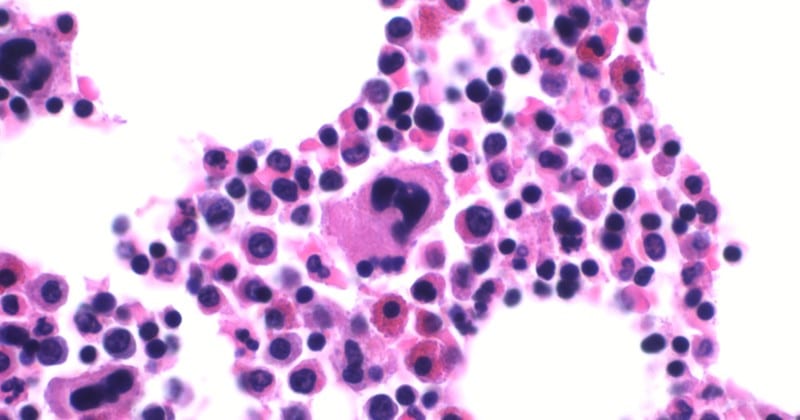

A veteran may learn, sometimes decades after returning home, that the bone marrow no longer produces enough healthy blood cells. A diagnosis of myelodysplastic syndrome (MDS) can bring repeated transfusions, serious infections, and concerns about leukemia.
For veterans exposed to Agent Orange, seeking disability benefits can bring another obstacle: MDS is not on VA’s Agent Orange presumptive list. Veterans can still qualify by establishing a medical link to military service or to an existing service-connected disability, and research published in 2026 now gives clinicians additional evidence to consider when evaluating that connection.
Is Myelodysplastic Syndrome a Presumptive VA Disability?
MDS qualifies as a presumptive condition under some toxic-exposure programs (burn pits and Camp Lejeune). However, it does not appear on the Agent Orange disease list in 38 C.F.R. § 3.309(e). Veterans claiming MDS due to herbicide exposure generally need evidence supporting direct or secondary service connection.
VA treats presumed exposure and presumed disease causation as separate questions. Qualifying service may establish herbicide exposure without proof of direct contact. Because MDS falls outside the Agent Orange presumptive list, the medical evidence must still connect the disease to that exposure.
Veterans with other qualifying service may have a different path. Camp Lejeune’s contaminated-water presumption specifically includes “aplastic anemia and other myelodysplastic syndromes” among the covered diseases. The Camp Lejeune service requirements generally require at least 30 days of qualifying service at the base between Aug. 1, 1953, and Dec. 31, 1987. The days do not have to be consecutive.
VA also names MDS among its presumptive burn-pit cancers. Veterans who meet that program’s service requirements may qualify through those rules, even though MDS remains absent from the Agent Orange list.
Learn How To File And Win Your VA Claim
Get our FREE book The Road to VA Compensation Benefits.
get the free book
Why Is MDS Not on the Agent Orange Presumptive List?
Earlier scientific reviews found insufficient evidence to determine whether the herbicide chemicals under review were associated with MDS and related myeloid diseases. The National Academies’ 2018 Agent Orange review, Veterans and Agent Orange: Update 11, discusses MDS alongside other myeloid diseases. It placed other myeloid diseases, including myeloproliferative neoplasms, in the inadequate-or-insufficient-evidence category.
That category reflects gaps in the research available at the time and does not weigh against establishing service connection on a direct basis. The 2018 review also predates the newer registry research, which has expanded the evidence available to clinicians without creating an Agent Orange presumption.
Can Agent Orange Cause Myelodysplastic Syndrome?
A 2026 study published in Blood Advances found an association between reported Agent Orange exposure and several features of MDS. Researchers observed differences in the age at diagnosis, early disease progression and high-risk chromosome abnormalities.
The research used the National Heart, Lung, and Blood Institute’s MDS Natural History Study, a nationwide registry that followed participants over time. Among 2,115 participants, 130, or 6.1%, reported Agent Orange exposure. Participants underwent evaluation for suspected MDS, and some ultimately received other diagnoses.
After accounting for differences between the groups, researchers found that reported exposure was associated with a younger age at MDS diagnosis. Sylvester Comprehensive Cancer Center’s March 23 research announcement described the preliminary findings as diagnoses occurring several years younger on average.
Among participants with MDS or a related precursor condition, reported exposure was associated with an approximately 80% higher rate of disease progression during the first two years (keeping in mind this describes a relative difference between groups, rather than an 80% chance that an individual patient will develop leukemia). The analysis also found more than twice the odds of high-risk chromosome abnormalities among exposed patients with MDS.
What Does the Research Mean for a VA Claim?
The findings give treating specialists additional evidence for evaluating whether herbicide exposure contributed to a veteran’s MDS. Sylvester described the study as the first nationwide effort to follow patients over time while connecting confirmed diagnoses with Agent Orange exposure histories.
Lead author Dr. Mikkael Sekeres, chief and professor of hematology at Sylvester Comprehensive Cancer Center, described the earlier difficulty in the university’s initial study announcement:
“I can’t write a letter that establishes causality because, before this study, we hadn’t clearly linked AO to MDS.”
The research helps address that evidence gap, but it does not prove cause and effect on its own. For a VA claim, its value depends on how a clinician applies the findings to the veteran’s diagnosis, exposure history and other possible causes.
A physician could use the study to explain why a connection is medically plausible and whether the veteran’s records support it. VA still needs evidence addressing the individual claim, and the study has not changed MDS’s Agent Orange presumptive status.
How Does VA Rate Myelodysplastic Syndrome?
Once VA establishes service connection, MDS is evaluated according to Diagnostic Code 7725 in 38 C.F.R. § 4.117 and assigned 30%, 60% or 100% ratings based on treatment needs and specified complications.
| DC 7725 criteria | Rating | 2026 monthly compensation |
|---|---|---|
| Requires a peripheral blood or bone marrow stem cell transplant, or chemotherapy. | 100% | $3,938.58 |
| Requires four or more blood or platelet transfusions in a 12-month period, or infections require hospitalization three or more times in a 12-month period. | 60% | $1,435.02 |
| Requires one to three blood or platelet transfusions in a 12-month period; infections require hospitalization once or twice in a 12-month period; or requires ongoing biologic therapy or an erythropoiesis-stimulating agent for 12 weeks or less in a 12-month period. | 30% | $552.47 |
VA created the dedicated MDS code through its 2018 rating schedule revision. Before that change, MDS did not have its own diagnostic code, so VA evaluated it by analogy to another condition. DC 7725 now supplies rating criteria specifically for MDS.
Compensation figures reflect VA’s 2026 rates for a veteran without dependents, effective Dec. 1, 2025. Qualifying dependents or other benefits may change the payment.
2026 VA Disability Calculator
Quickly calculate your combined VA disability rating and see the compensation you should receive.
Learn MoreWhich Symptoms Determine MDS Ratings?
MDS can lower red blood cells, platelets and infection-fighting white blood cells. Each shortage can lead to the treatment or hospital care that DC 7725 measures.
Anemia, a shortage of healthy red blood cells, is the most common clinical manifestation. It can cause fatigue, shortness of breath, chest pain or dizziness. When treatment requires transfusions, records showing their frequency help establish the rating.
Less common manifestations include bleeding, bruising and petechiae, tiny red or purple spots from bleeding under the skin, when platelet counts fall. Low neutrophil counts can increase infections. Neutrophils are white blood cells that help fight infection, and infection-related hospitalizations provide another basis for a rating.
Veterans can qualify without receiving transfusions. The 30% criteria also cover one or two infection-related hospitalizations in a year, ongoing biologic therapy or qualifying ESA treatment. Three or more infection-related hospitalizations in a year meet the 60% criteria.
Chemotherapy or a qualifying stem cell transplant meets the 100% treatment criteria without a required transfusion or infection-related hospitalization count.
How Long Does the 100% Rating Last?
For a qualifying stem cell transplant, DC 7725 assigns the 100% evaluation from the date of hospital admission. For chemotherapy, the evaluation applies during treatment.
A VA examination is required six months after discharge for the transplant or six months after chemotherapy ends. The 100% rating does not automatically expire at six months. Any resulting reduction must follow the applicable procedures.
If the disease has not recurred, VA evaluates the remaining effects under the appropriate diagnostic codes. Those effects may continue to limit a veteran’s ability to work even when the regular rating falls below 100%.
Veterans whose service-connected disabilities prevent substantially gainful employment may qualify for total disability based on individual unemployability (TDIU) under 38 C.F.R. § 4.16. Subject to the applicable requirements, TDIU pays at the 100% rate despite a lower regular disability rating.
Medical records and evidence of work limitations can help establish how MDS and its treatment affect the veteran’s ability to maintain employment.
Myelodysplastic Syndrome and Leukemia
MDS can progress to leukemia, particularly acute myeloid leukemia (AML). The diagnoses are distinct, and VA evaluates them under different diagnostic codes.
The StatPearls clinical review reports that approximately 30% of patients with de novo MDS develop AML (de novo means MDS that did not arise from prior cancer treatment). That broad estimate does not predict an individual veteran’s outcome; the type of MDS, genetic findings and other clinical factors affect the risk of progression.
What Happens If MDS Progresses to Leukemia?
DC 7725, Note (1), directs VA to evaluate MDS that progresses to leukemia under Diagnostic Code 7703, the leukemia code. VA does not pay duplicate ratings for the same manifestations under both codes.
Veterans should submit the updated diagnosis and treatment records and request reevaluation. When the records establish progression of the same service-connected disability, veterans generally do not need to prove its original connection to service again. VA must still review the evidence and assign the appropriate evaluation.
Progression to AML does not create an Agent Orange presumption. The herbicide list covers chronic B-cell leukemias, including hairy-cell leukemia and chronic lymphocytic leukemia. AML is not among those presumptive leukemias.
How Do Veterans Prove Service Connection for Myelodysplastic Syndrome?
A direct Agent Orange MDS claim generally requires a current diagnosis, established in-service herbicide exposure and medical evidence connecting the two. The direct service connection rules allow benefits for diseases diagnosed after discharge when the evidence establishes that they resulted from service.
A qualified clinician should assess whether the relationship is at least as likely as not and explain the conclusion. Qualifying service may establish presumed exposure, while the medical opinion addresses the link to MDS.
Presumed exposure can satisfy the exposure element. It does not establish the medical connection for a disease outside the presumptive list. Qualifying service lets VA presume the veteran was exposed to herbicides, and because myelodysplastic syndrome is not among the conditions VA presumes Agent Orange caused, the nexus still needs a physician’s opinion.
Domestic service does not always rule out presumed exposure. Certain qualifying C-123 aircraft duties have their own rules. The exposure evidence should address the provisions that fit the veteran’s service.
When the veteran’s service falls outside the presumed-exposure rules, the claim needs evidence of actual exposure. A claim involving a domestic herbicide test or storage site may require historical records, unit records or expert analysis connecting the veteran’s duties to the chemicals.
How to prove Agent Orange exposureCan MDS Be Secondary to an Agent Orange Condition?
A separate path may apply when MDS develops after treatment for a service-connected cancer. Under 38 C.F.R. § 3.310 , VA can grant secondary service connection when an existing service-connected disability or its treatment causes MDS or worsens it beyond its natural course.
Certain chemotherapy drugs or radiation can lead to therapy-related MDS years later. Veterans who received such treatment for service-connected multiple myeloma or non-Hodgkin lymphoma, both Agent Orange presumptive conditions, may have a secondary theory that warrants medical evaluation.
The opinion should identify the treatment and explain whether it caused or aggravated MDS. Because VA has already established service connection for the primary cancer, the veteran generally does not need to prove again that Agent Orange caused that cancer. The new medical question concerns the relationship between its treatment and MDS.
What Evidence Do Veterans Need to Win a MDS Claim?
- A confirmed diagnosis. Relevant records include the bone marrow biopsy and aspirate reports, a complete blood count with differential and a peripheral blood smear. These tests examine marrow cells, blood-cell counts and the appearance of blood cells.
- Treatment records covering the relevant 12-month periods. Include transfusion dates and counts, infection-related hospitalizations and records of chemotherapy, biologic therapy, ESA treatment or a transplant. Those records can establish the rating tier.
- Service and exposure records. A DD-214 and personnel records may establish qualifying service. Deck logs and unit histories may help document offshore service. Korean Demilitarized Zone claims may involve unit and service-date requirements. Historical records or expert analysis may help establish exposure at a domestic test or storage site.
- An individualized medical nexus opinion. Journal articles and news coverage can support a clinician’s reasoning, but they do not necessarily connect your disease to your service. In Board decision 1533432, a veteran submitted an article discussing MDS and the leukemia disease process. The Board denied the claim after finding no clinical nexus evidence connecting the veteran’s MDS to service.
- An assessment of other possible causes. Recognized MDS risk factors include prior chemotherapy or radiation, smoking, certain industrial chemical exposures, marrow-failure disorders and age. Long-term exposure to benzene may also be relevant. The clinician should address the factors present in your history. Some may themselves relate to service or treatment for a service-connected disability, so they should not automatically be labeled nonservice causes.
- Lay and buddy statements. These can document fatigue, bruising, infections, work limitations, daily activities and firsthand knowledge of exposure circumstances. They are most useful for facts the writer personally observed, rather than a medical conclusion about what caused MDS.
What Should a Myelodysplastic Syndrome Nexus Letter Include?
- A qualified medical author. A hematologist, who specializes in blood disorders, or an oncologist, who specializes in cancer, may be well suited to evaluate MDS. Your treating specialist may know your history particularly well. A favorable opinion can also come from another qualified clinician or a VA examiner.
- The records reviewed. The letter should identify the relevant service records, medical history, diagnostic findings and treatment records. A clear account of the evidence helps VA assess the opinion.
- The correct evidentiary standard. The clinician should address whether the connection is “at least as likely as not,” commonly expressed as a 50% or greater likelihood. The legal standard allows approximately balanced evidence; it does not require medical certainty. Statements such as “may be related” or “cannot be ruled out,” without further explanation, may be too speculative to establish a nexus.
- Relevant research applied to your case. The 2026 Blood Advances study may support the analysis. The letter should explain which findings matter, how they apply to your exposure and diagnosis, and what limits the research has.
- Other possible causes. The clinician should address relevant prior cancer treatment, smoking, workplace benzene exposure and other risk factors. The opinion does not need to establish that Agent Orange was the only conceivable cause.
- A reasoned conclusion. A detailed opinion may carry more weight than an unsupported conclusion, whether it comes from a private clinician or VA. A private opinion does not automatically outweigh a VA opinion simply because a specialist wrote it.
What Happens at a VA C&P Exam for Myelodysplastic Syndrome?
A compensation and pension examination, or C&P exam, helps VA evaluate the diagnosis, medical connection and severity of the condition.
Records play a central role. The examiner may review your blood counts, blood smear, bone marrow results and treatment history. Transfusion and infection-related hospitalization records matter because DC 7725 uses 12-month treatment periods.
Depending on what VA needs, the claim examination process may also involve questions, a physical examination or additional testing. Some evaluations can proceed through a records review.
The medical opinion must address your actual diagnosis. An opinion about a different disease may fail to answer the question VA needs to decide and can support a remand for correction.
How Often Does VA Approve Agent Orange Myelodysplastic Syndrome Appeals?
Hill & Ponton’s analysis of Board decisions from 2021 through December 2025 identified 91 instances involving MDS and an Agent Orange exposure theory. The review recorded 62 grants, 24 remands and five denials.
| Board outcome | MDS and Agent Orange outcomes | Share |
|---|---|---|
| Granted | 62 | 68.1% |
| Remanded | 24 | 26.4% |
| Denied | 5 | 5.5% |
| Total | 91 | 100% |
Source: Hill & Ponton’s analysis of 2021-2025 Board decisions.
These figures are not a VA-wide approval rate and do not predict an individual claim’s outcome. Board appeals represent only part of the claims system and often involve disputed medical or service evidence. Each decision applies to the facts of that veteran’s case.
A remand means the Board returned an issue for additional action, such as another medical opinion. It is not a grant or a final denial of that issue.
One recurring problem involved examiners who stopped after noting that MDS was not presumptive. That conclusion did not answer whether the veteran’s exposure directly caused the disease.
In Board decision A24035993, the Board required another opinion because the examiner relied on the lack of a presumption. The opinion also failed to address the veteran’s total toxic exposure and the combined effects of those exposures.
Board decision A23006216 granted direct service connection after assigning greater weight to a private opinion that reviewed the records, cited medical literature and explained the veteran-specific connection. The negative VA opinion addressed presumptive service connection without adequately answering direct causation.
Board decision A25028036 , a favorable VA toxic-exposure opinion supported the grant. It addressed dioxin in Agent Orange, the veteran’s exposure history and the medical characteristics of MDS. The examiner used the “at least as likely as not” standard and applied it to the veteran’s circumstances.
The favorable examples illustrate the value of a claim-specific medical explanation. The opinions acknowledged the lack of a presumption, addressed a medically plausible connection, considered other risk factors and explained their conclusions.
Why Were MDS Claims Denied?
The denials in the review involved gaps in diagnosis, exposure or medical nexus evidence. In Board decision A24003437, the Board found no current MDS diagnosis. In Board decision A23022450, the service records did not verify the claimed herbicide exposure.
In Board decision A21014808, the Board found the private opinion speculative. A general article about MDS and herbicides also failed to connect the disease to that veteran’s medical history.
An appeal should address the reason VA gave for the denial. More medical literature will not resolve a missing diagnosis or unproven exposure. When the dispute concerns causation, the opinion should explain the research in the context of your records and other possible causes.
Get Help with a Myelodysplastic Syndrome Claim
Did VA deny your MDS claim or assign a rating that does not reflect your treatment? The decision may depend on exposure evidence, the medical opinion or records establishing the correct rating. The 2026 research adds information that a qualified clinician can consider, but does not replace the need to address the evidence in your individual appeal.
Hill & Ponton focuses exclusively on representing veterans (or their survivors) facing denials, remanded issues and disputed ratings or TDIU. You don’t have to fight the VA alone. Request a free case evaluation to see how we can help you.
Content Reviewed By

Anne Linscott
Attorney, Hill & Ponton, P.A.
Anne Linscott is an attorney at Hill & Ponton, P.A., dedicated to helping veterans secure the disability benefits they deserve. With a strong background in finance and law, Anne brings compassionate advocacy and a deep commitment to supporting those who have served.
Written By
Michallie Harrison
Michallie K. Harrison is a retired U.S. Army Sergeant First Class with 21 years of service, including three combat tours. She holds a Bachelor of Arts in Liberal Studies with an emphasis in history, criminal justice, and administration and is currently pursuing a second bachelors degree in mass communications with a minor in creative writing. A 100% permanently and totally disabled veteran as rated by the Department of Veterans Affairs, she applies her background in military journalism and investigative research to produce precise, analytical, and well-researched work.