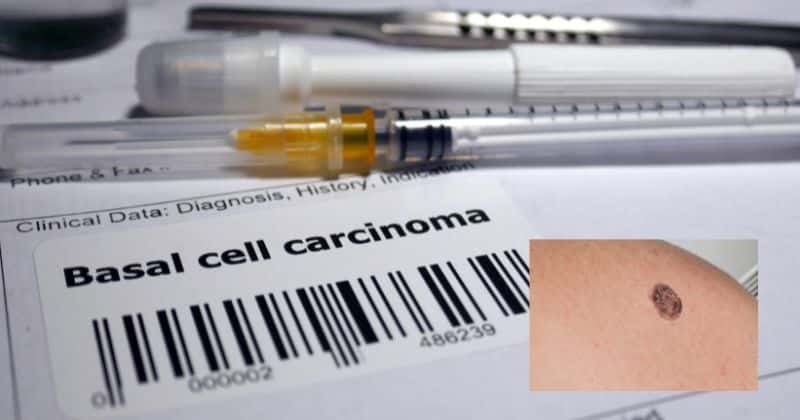

Basal cell carcinoma, or BCC, is one of the most common skin cancers diagnosed in veterans. It often appears years after repeated sun exposure during military service, especially for those who worked outdoors or deployed to high UV regions.
Basal cell carcinoma can qualify for VA disability compensation if it is connected to service. In many cases, the rating does not depend only on the cancer itself. The VA also evaluates treatment, surgical removal, and any lasting effects, such as visible scarring or functional problems.
What Are the VA Ratings for Basal Cell Carcinoma?
Basal cell carcinoma is rated under 38 C.F.R. § 4.118, which covers skin conditions. If the cancer is active, it is evaluated under Diagnostic Code 7818 for malignant skin neoplasms.
When the condition requires treatment comparable to systemic therapy used for malignancies, the VA may assign a 100% rating during active treatment.
After treatment ends and there is no local recurrence or metastasis, the VA must rate the condition based on its residuals. Under § 4.118, residuals are generally evaluated as:
Scars
DC 7801 – Scars associated with underlying soft tissue damage (not head, face, or neck)
| Rating | DC 7801 Rating Criteria |
|---|---|
| 40% | Area of 144 square inches or greater |
| 30% | Area of 72 to less than 144 square inches |
| 20% | Area of 12 to less than 72 square inches |
| 10% | Area of 6 to less than 12 square inches |
DC 7802 – Superficial scars without underlying soft tissue damage (not head, face, or neck)
- 10% rating if the area of the scar is 144 square inches or greater
DC 7804 – Unstable or painful scars
| Rating | DC 7804 Rating Criteria |
|---|---|
| 30% | Five or more scars that are unstable or painful |
| 20% | Three or four scars that are unstable or painful |
| 10% | One or two scars that are unstable or painful |
If a scar is both unstable and painful, an additional 10 percent may be added. Find out more about getting VA ratings for scars.
Disfigurement of the head, face, or neck under Diagnostic Code 7800
| Rating | DC 7800 Rating Criteria |
|---|---|
| 80% | Visible or palpable tissue loss and gross distortion or asymmetry of three or more facial features, or six or more characteristics of disfigurement |
| 50% | Tissue loss and distortion of two features, or four to five characteristics of disfigurement |
| 30% | Tissue loss and distortion of one feature, or two to three characteristics of disfigurement |
| 10% | One characteristic of disfigurement |
Ratings are based on visible tissue loss, distortion of features, and specific scar characteristics. Characteristics of disfigurement include factors such as:
- scar length, width, elevation or depression
- adherence to underlying tissue
- abnormal pigmentation
- abnormal texture
- missing soft tissue
- indurated and inflexible skin over a certain area
Impairment of Function Under the Appropriate Body System
If residuals limit motion or function, the VA rates the condition under the diagnostic code that applies to the affected body system. For example, if a scar limits neck motion or interferes with eyelid function, the rating may be assigned under the appropriate musculoskeletal or visual criteria.
How to Prove Service Connection for Basal Cell Carcinoma
To receive VA disability benefits for basal cell carcinoma, you must establish service connection. The VA requires three core elements:
- A current diagnosis of basal cell carcinoma
- Evidence of an in-service event, injury, or exposure
- A medical nexus connecting the two
Your diagnosis should be supported by pathology reports or dermatology records. Service records can help show where you served and the type of exposure you experienced.
The most important piece is the medical nexus opinion. A qualified medical provider must explain why your BCC is at least as likely as not caused by your service. Without that link, the VA may deny the claim.
Direct Service Connection
In most basal cell carcinoma claims, the issue is long term ultraviolet radiation exposure. Many service members spend years training or working outdoors. Over time, repeated sun damage can increase the risk of skin cancer. Examples of in-service factors that may support direct service connection include:
- Extended field training or deployment in high sun environments
- Flight line, ship deck, tropical or desert duty
- Limited access to protective clothing or sunscreen
- In-service sunburns
- Documented radiation exposure
A good witness statement will address the above factors, as well as the amount of time spent in these locations or duty stations, including hours per day; the amount of post-service time spent working in outdoor or sunny locations, including whether protective clothing or sunscreen was used; as well as recollecting whether the Veteran experienced any in-service sunburns, sun tans, or new moles, markings, or freckles.
If your statement clearly establishes your excessive in-service sun or ultraviolet radiation exposure, the VA may be required to provide a C&P opinion which addresses the relationship between sun exposure and cancer.
To establish direct service connection, you must have a well-supported medical opinion. The physician or expert providing the opinion should state how your specific duties, locations, and exposure during service led to your basal cell carcinoma.
In order for a medical opinion to be adequate for rating purposes, the opinion must clearly and precisely explain the way your specific duties and exposure caused your cancer. A broad statement that sun exposure can cause cancer is usually not enough.
Is Basal Cell Carcinoma a Presumptive Condition?
Basal cell carcinoma is not a VA presumptive condition on its own. This means the VA will not automatically assume your cancer is related to service simply because you have the diagnosis.
Veterans exposed to Agent Orange or toxic exposures covered under the PACT Act may still establish service connection if a medical provider explains why that exposure makes the cancer at least as likely as not related to service. Even though basal cell carcinoma is not automatically presumed, a strong nexus opinion can still support approval.
When ionizing radiation is involved, veterans may qualify for special development under 38 C.F.R. § 3.311. Skin cancer is listed as a radiogenic disease under this regulation.
This is not a presumption. Instead, it requires the VA to follow specific steps when a veteran claims a radiogenic disease resulted from radiation exposure during service. Under § 3.311, the VA must generally:
- Confirm the diagnosis of a radiogenic disease
- Obtain a radiation dose estimate based on service records
- Refer the claim for review through the Under Secretary for Benefits process when required
This structured review can strengthen a claim because it requires additional medical and scientific evaluation before a final decision is made.
How Hill & Ponton Helped a Veteran Win Service Connection
In an appeal before the Board of Veterans’ Appeals, attorney Carol Ponton from the Hill & Ponton firm successfully represented a veteran who developed basal cell carcinoma after years of outdoor military service.
The veteran served on active duty and later began experiencing recurring skin lesions that were diagnosed as basal cell carcinoma. The VA initially denied the claim, stating there was not enough evidence linking the cancer to service.
On appeal, the case focused on the veteran’s documented sun exposure during active duty (service records showed extensive time spent outdoors). A medical opinion explained that prolonged ultraviolet exposure during service significantly increased the risk of developing skin cancer later in life. The Board accepted this and granted service connection.
What Helped Win This Claim?
- Building the Case Around Service Conditions. The veteran’s duties required extended outdoor exposure. Rather than relying on general medical principles alone, the appeal highlighted the specific nature of the veteran’s service and the cumulative impact of sun exposure over time.
- Presenting a Strong Medical Nexus Opinion. A qualified medical provider explained how ultraviolet radiation damages skin cells and contributes to the development of basal cell carcinoma. The opinion explicitly stated that the veteran’s cancer was at least as likely as not related to military service. That direct connection was critical.
- Addressing VA’s Initial Denial. The VA originally focused on the time gap between service and diagnosis. On appeal, the argument clarified that skin cancer often develops years after repeated sun damage. The Board agreed that delayed onset does not rule out service connection when supported by competent medical evidence.
Maximizing VA Compensation for Basal Cell Carcinoma
Many basal cell carcinoma claims end with a 0 percent or 10 percent rating. This often happens because the cancer was removed and there is no recurrence.
You can increase your compensation by fully documenting every residual symptom and explaining how it affects your daily life and ability to work. Higher ratings are more likely when there is evidence of:
- Multiple excisions over time
- Visible disfigurement
- Painful or unstable scars
- Functional limitations such as limited range of motion
- Secondary conditions related to treatment, such as nerve pain or mental health conditions
Even a 10 percent rating provides monthly disability compensation and the amount increases as your combined rating rises. Calculate your compensation with the VA disability calculator.
Importantly, residuals and secondary conditions can do more than increase a single rating. When combined, they may raise your overall disability percentage and, in some cases, contribute to eligibility for Total Disability based on Individual Unemployability (TDIU) if they prevent you from maintaining regular employment. Find out if you’re eligible for TDIU.
The strongest claims show how residuals interfere with job duties, workplace reliability, or daily functioning. If your symptoms extend beyond simple removal of a lesion, make sure the VA evaluates each complication separately. That is often where additional compensation and even unemployability benefits may be secured.
Residuals and Secondary Conditions
Basal cell carcinoma often requires surgical removal, and many veterans undergo multiple procedures over time. Even after removal, some veterans experience lasting complications. These residuals may qualify for separate or higher ratings if they cause measurable impairment. Each condition must be clearly documented and tied to functional impact.
1) Painful or Unstable Scars
Scarring is one of the most common long-term effects of basal cell carcinoma treatment. While some scars heal without issue, others remain tender, unstable, or sensitive for years. Veterans may experience:
- Pain with pressure or movement
- Burning or severe itching
- Skin that frequently breaks down or reopens
- Tenderness during routine contact
Work Impact Examples
- Pain when wearing helmets, hard hats, or safety glasses
- Irritation from masks or required protective gear
- Discomfort while shaving
- Reduced concentration due to ongoing pain
2) Disfigurement (Especially Head, Face, or Neck)
Because basal cell carcinoma often develops on sun-exposed areas, surgical removal may leave visible changes. The VA evaluates disfigurement based on tissue loss, distortion, and other measurable features. Disfigurement may involve:
- Tissue loss
- Facial asymmetry
- Abnormal pigmentation or texture
- Distortion of key facial features
Visible changes can affect more than appearance. They may alter how a veteran interacts in professional and social settings.
Work Impact Examples
- Avoidance of public facing positions
- Increased anxiety during interviews or presentations
- Difficulty engaging with clients or customers
- Withdrawal from leadership or team roles
3) Nerve Damage and Chronic Pain
Surgical procedures can sometimes affect nearby nerves. When this happens, symptoms may persist long after healing, for instance:
- Numbness or tingling
- Shooting or electric like pain
- Sensitivity to light touch
- Headaches or facial pain
Chronic nerve pain can be unpredictable and difficult to manage, affecting daily life and employment.
Work Impact Examples
- Difficulty concentrating due to pain
- Missed work from pain flare ups
- Inability to tolerate required safety equipment
- Reduced productivity during symptom spikes
4) Eye, Eyelid, Ear, Nose, or Lip Complications
When basal cell carcinoma develops near delicate structures, treatment may affect nearby tissues. Even small changes can disrupt function and cause complications such as:
- Eyelid tightness or incomplete closure
- Dry eye or chronic irritation
- Nasal obstruction after reconstruction
- Ear deformity affecting hearing aids or helmets
These issues may interfere with vision, breathing, or hearing, and often affect professional activities.
Work Impact Examples
- Trouble reading screens for long periods
- Impaired depth perception affecting safety
- Difficulty wearing protective headgear
- Increased workplace hazards due to visual issues
5) Functional Limitation from Scar Contracture or Reconstruction
Over time, scar tissue may tighten. This tightening, known as contracture, can restrict normal movement and cause limitations such as:
- Reduced neck rotation
- Facial tightness affecting speech or eating
- Restricted shoulder or joint motion
Loss of mobility can directly affect physical job performance. Work impact examples may include:
- Difficulty driving for work
- Inability to perform overhead tasks
- Reduced ability to turn the head quickly for safety
- Physical strain during repetitive tasks
6) Mental Health Conditions Secondary to BCC or Its Residuals
Physical changes and chronic symptoms can lead to emotional distress. Veterans may experience depression, body image related distress or social withdrawal caused by visible scarring or persistent pain.
Common Secondary Diagnoses
These conditions can significantly affect reliability and workplace interaction. Work impact examples include:
- Missing work
- Reduced reliability or productivity
- Difficulty interacting with coworkers or customers
- Avoidance of leadership or team roles
When properly documented, these residuals and secondary conditions may increase the overall disability rating and, in some cases, contribute to eligibility for unemployability benefits.
Getting VA Unemployability
Because cancer is typically rated at low percentages once treatment ends, basal cell carcinoma by itself does not automatically qualify you for Total Disability based on Individual Unemployability. But unemployability may be supported when you have:
- Painful or unstable scars that interfere with required safety gear
- Nerve damage that causes chronic pain and concentration problems
- Functional limitations that restrict movement
- Vision or structural complications that create safety risks
- Secondary mental health conditions that affect reliability and interaction
The VA also looks at:
- Your overall combined disability rating
- Your work history
- Your education and training
- Whether your conditions prevent consistent, reliable employment
The VA, of course, can sometimes make mistakes and rate you inaccurately. If your claim was denied or if you believe you were assigned the wrong rating and have grounds to appeal the decision, Hill & Ponton’s disability attorneys may be able to assist you. Contact us today for a free evaluation of your case.
Content Reviewed by
Attorney Rachel Cheek

Rachel Cheek is an attorney at Hill & Ponton dedicated to helping veterans secure the benefits they deserve. A University of Florida graduate, she combines her passion for social justice with legal expertise to serve those most in need.
Written by