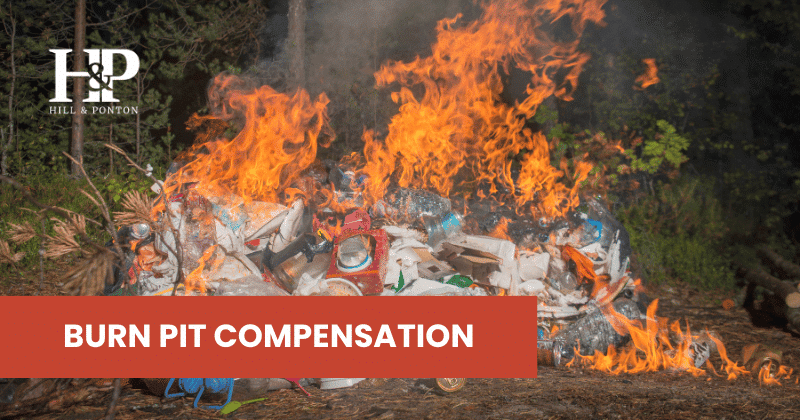

The use of burn pits was a common way to get rid of waste at military sites in Iraq and Afghanistan and many veterans are suffering from long-term health problems due to their burn pit exposure while in military service.
A 2024 study found that for every 100 days of burn pit exposure there was an increased risk of 1% for asthma, 4% for COPD and 5% for ischemic stroke in veterans with documented deployments to bases in Afghanistan and Iraq. This group of Operation Enduring Freedom (OEF) / Operation Iraqi Freedom (OIF) veterans also had an elevated risk of developing high blood pressure.
Many other medical conditions are associated with burn pits and by establishing service connection you could gain significant disability compensation and benefits based on your rating. This short guide will help you understand VA disability ratings related to burn pit exposure.
How to Get VA Disability for Burn Pit Exposure
Are you one of the 5 million US Veterans with possible exposure to open burn pits used for waste disposal? If you served in a burn pit-exposed area during the Gulf War and then later received a diagnosis of a certain medical condition, you may be eligible for VA disability compensation for that diagnosed medical condition.
Keep in mind that you cannot receive VA benefits for “burn pit exposure” or “burn pit compensation” alone. Some medical conditions and illnesses that may be related to burn pit exposure include but are not limited to:
- Skin conditions
- Respiratory and lung conditions
- Cardiovascular conditions
- Cancer (lung, brain, skin, leukemia, and lymphoma)
- Sleep apnea
- Headaches
- Neurological problems
Making a VA Burn Pit Claim
Filing a VA claim for burn pit–related conditions follows the same process as any other VA disability claim. You must:
- Have a current medical diagnosis of a qualifying condition.
- Show service in an eligible location and timeframe where burn pits or airborne hazards were present.
- File your claim through VA.gov, by mail, or with the help of a veterans service organization (VSO).
If your condition is on VA’s list of presumptive conditions, you don’t have to prove that your illness was caused by burn pit exposure. If your condition is not presumptive, you’ll need medical evidence linking it to your service.
The VA claims process is often difficult to navigate… but you don’t have to do it alone. If you haven’t filed your initial claim yet, we offer a free ebook to get you started on the right foot! The Road to VA Compensation Benefits will help break down the claims process from start to finish.

Who Is Eligible for Burn Pit Compensation?
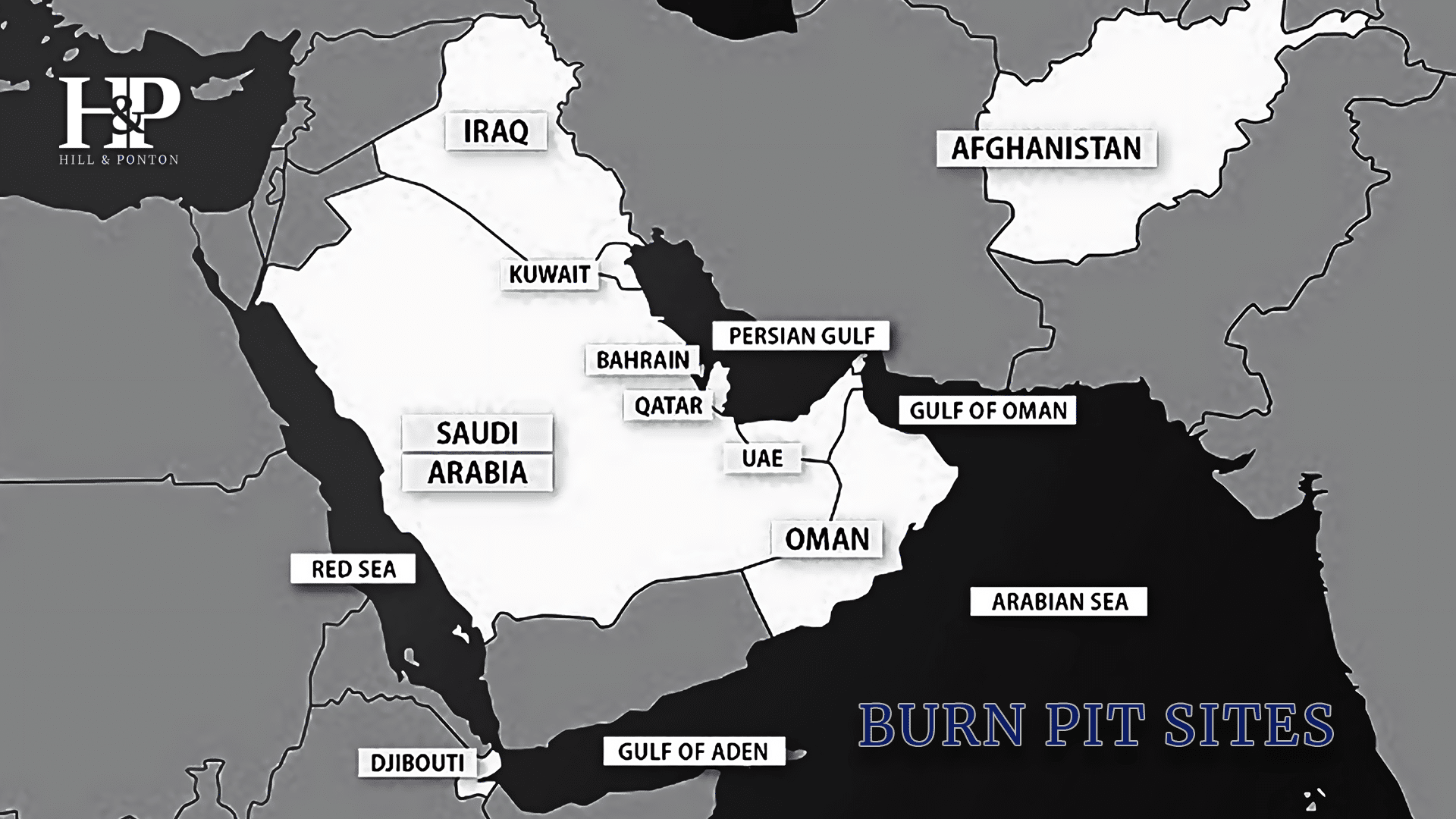
In order to receive VA disability benefits, you would need to connect your disability to burn pits exposure. If you served in the following military operations, you may have been exposed to burn pits:
- Operation Iraqi Freedom
- Operation Enduring Freedom
- Operation New Dawn
- Djibouti, Africa on or after September 11, 2001
- Operation Desert Storm or Operation Desert Shield
- Southwest Asia theater of Operations on or After August 2, 1990
VA assumes that certain conditions are linked to events surrounding a veteran’s military service, such as burn pit exposure. If you are diagnosed with one of them, you do not need to prove a medical nexus (connection) between your disability and your service in the military to be eligible for VA compensation and benefits.
Presumptive Conditions
| Certain Types of Cancer | Other Conditions |
| Adenocarcinoma of the trachea | Asthma post-service |
| Adenosquamous carcinoma of the lung | Chronic bronchitis |
| Brain cancer | Chronic obstructive pulmonary disease (COPD) |
| Gastrointestinal cancer | Chronic rhinitis |
| Glioblastoma | Chronic sinusitis |
| Head cancer of any type | Constrictive or obliterative bronchiolitis |
| Kidney cancer | Emphysema |
| Large cell carcinoma of the lung | Granulomatous disease |
| Lymphatic cancer of any type | Interstitial lung disease |
| Lymphoma of any type | Pleuritis |
| Melanoma | Pulmonary fibrosis |
| Neck cancer of any type | Sarcoidosis |
| Pancreatic cancer | |
| Reproductive cancer | |
| Respiratory cancer of any type | |
| Salivary gland tumors of the lung or trachea | |
| Sarcomatoid carcinoma | |
| Squamous cell carcinoma of the larynx or trachea |
VA recommends veterans who were previously denied benefits for these conditions to file a supplemental claim. Get a free evaluation from our team – even if we don’t take your case, we’ll point you in the right direction!

Burn Pits VA Disability Rating Criteria
VA ratings for conditions related to burn pits are based on the severity of symptoms that can be shown to have been worsened or directly caused by the burn pits, and can range from 10% to 100%.
The VA will assign the rating using the rating schedule corresponding to each condition that is claimed in relation to burn pit exposure, such as the rating schedule for respiratory conditions. See respiratory ratings.
For years, the VA had not previously recognized any illnesses as officially presumed to be related to service in Iraq or Afghanistan due to toxic exposure but that has been changing in recent years and it is now easier to obtain VA disability ratings related to burn pits exposure.
Examples of VA Ratings for Conditions Caused by Burn Pits
Asthma Post-Service
Asthma is a disease where the lung becomes obstructed. The airways and bronchi swell up and close, causing difficulty breathing. A spirometry test can be used to determine the severity of asthma, and the ratings from that test determine your VA disability rating. You can be rated 10%, 30%, 60% or 100% disabled. Find out more about getting a VA rating for asthma.
Chronic Bronchitis
Chronic Bronchitis is a respiratory condition that causes long-term inflammation of breathing tubes. Individuals suffering from this condition will wheeze a lot, have shortness of breath, and cough up mucus. Chronic Bronchitis can be rated at 10%, 30%, 60% or 100%.
Chronic Rhinitis
Rhinitis is inflammation of the mucous membrane in the nose, usually by a viral infection like a cold, or an allergic reaction. Ratings include:
- Allergic or Vasomotor Rhinitis rated 10% or 30% disabled
- Bacterial Rhinitis rated 10% or 50% disabled
- Granulomatous Rhinitis rated 20% or 100% disabled
Chronic Sinusitis
Sinusitis is inflammation of sinus tissues, which are hollow spaces around the bones in your face. For Sinusitis you can be rated 0%, 10%, 30% or 50% disabled. See the VA ratings for sinusitis.
Constrictive or Obliterative Bronchiolitis
Constrictive Bronchiolitis is a rare respiratory condition causing a person’s airway to narrow/constrict. The result is a substantial amount of coughing, shortness of breath, and symptoms that are similar to those of asthma or COPD. It is sometimes difficult to diagnose because of how similar the symptoms are.
While there is no specific diagnostic code for Constrictive Bronchiolitis, the VA references diseases of the trachea and bronchi (codes 6600-6604) to help find a similar condition, and it is rated at 10%, 30%, 60% and 100%. See the VA ratings for bronchiolitis.
Chronic Obstructive Pulmonary Disease (COPD)
COPD refers to multiple respiratory conditions that affect the entire respiratory system, including breathing and airflow to the lungs. For COPD you can be rated 10%, 30%, 60% or 100%. See the VA ratings for COPD.
Emphysema
Emphysema is a condition that causes shortness of breath, fatigue, wheezing and the inability to not get enough oxygen. It is caused by damage to the alveoli, or the small air sacs in the lungs, which affects the body’s ability to get oxygen into the bloodstream. For Emphysema you can be rated 10%, 30%, 60% or 100%. See the VA ratings for pulmonary emphysema.
Granulomatous Disease
Chronic Granulomatous is a condition affecting the immune system, because of improperly functioning white blood cells that fight off bacterial and fungal infections. Individuals with this disease are at a much higher risk for infections.
While this disease does not have its own diagnostic code, it is referenced in multiple places. A few codes that may be utilized to rate granulomatous disease include:
- Diagnostic Code 6521 – Injuries to the Pharynx
- Diagnostic Code 6524 – Granulomatous Rhinitis
- Diagnostic Code 6828 – Eosinophilic Granuloma
Interstitial Lung Disease
Interstitial Lung Disease refers to many disorders of the lung, all of which cause inflammation and scarring of the lungs. These diseases are typically characterized by difficulty breathing, fatigue and coughing, and can be anywhere from mild to severe. Interstitial lung disease ratings are 10%, 30%, 60% and 100%.
Pleuritis
Pleuritis/Pleurisy is a respiratory condition characterized by inflammation of the pleura, which are thin layers of tissue that separate the lungs from the walls of the chest. They assist with helping the lungs move smoothly when breathing. Pleuritis disability ratings are 10%, 30%, 60% and 100%.
Pulmonary Fibrosis
Pulmonary Fibrosis is a condition when scarred and damaged lungs thicken and harden, which makes breathing more difficult. The VA rates pulmonary fibrosis between 10% and 100%. See pulmonary fibrosis rating criteria.
Sarcoidosis
Sarcoidosis is a condition that causes granulomas (small inflammatory cells) to grow, typically in the lungs and lymph nodes. Sarcoidosis begins with similar symptoms that include: fatigue, weight loss, painful lymph nodes, joint pain. The symptoms will later vary depending on what part of the body is being affected. See the VA Ratings for Sarcoidosis.
How Much Burn Pit Compensation Can You Get?
The higher your combined rating, the higher your monthly compensation. For example, a veteran with a 100% disability rating receives over $3,000 per month in tax-free disability compensation. You can calculate your combined rating and estimate how much your burn pit compensation is with the VA disability calculator.
Increasing Your VA Rating and Compensation for Burn Pits Exposure
Many veterans are initially rated too low for the severity of their condition, or their health gets worse over time. But there are several ways to increase your rating and monthly compensation:
File for an Increased Rating
If your burn pit–related condition has gotten worse since VA last reviewed it, you can file for an increased rating. You will need:
- Recent medical records
- Test results (such as pulmonary function tests for lung conditions)
- Statements from doctors, family, or coworkers describing how your symptoms affect daily life
Hill & Ponton may be able to help you obtain the maximum rating and compensation you deserve for burn pits exposure. Get a free case evaluation here.
File for Secondary Conditions
Many illnesses caused by burn pit exposure can also lead to secondary conditions, which can be claimed separately, increasing your combined rating:
- Pulmonary hypertension secondary to COPD
- Depression or anxiety caused by chronic illness
- Sleep problems from respiratory conditions
Appeal Denied Claims
If you were denied before the PACT Act came into effect, or you were unable to prove exposure and still don’t qualify for a VA presumption, you can file a supplemental claim or pursue other appeal paths. Contact our VA disability appeal lawyers to explore your options – we win 96% of the cases we take on.
Apply for TDIU
If your service-connected burn pit conditions prevent you from maintaining substantially gainful employment, you may qualify for VA Unemployability (TDIU). This pays the highest standard disability rate, even if your combined rating is below 100%. Our TDIU lawyers can assist you in obtaining it, with no upfront costs.
Maximize Your Benefits
Unhappy with your VA decision? We’re here to help. Contact us for a free review of your case.
Content Reviewed by
Attorney Allison Reddick

Allison Reddick is a passionate advocate for veterans, combining her extensive health and legal expertise to ensure they receive the benefits and healthcare they deserve. A “triple Gator” graduate of the University of Florida, Allison’s dedication to social justice and public health drives her work at Hill & Ponton, where she specializes in veterans’ disability law.
Written by